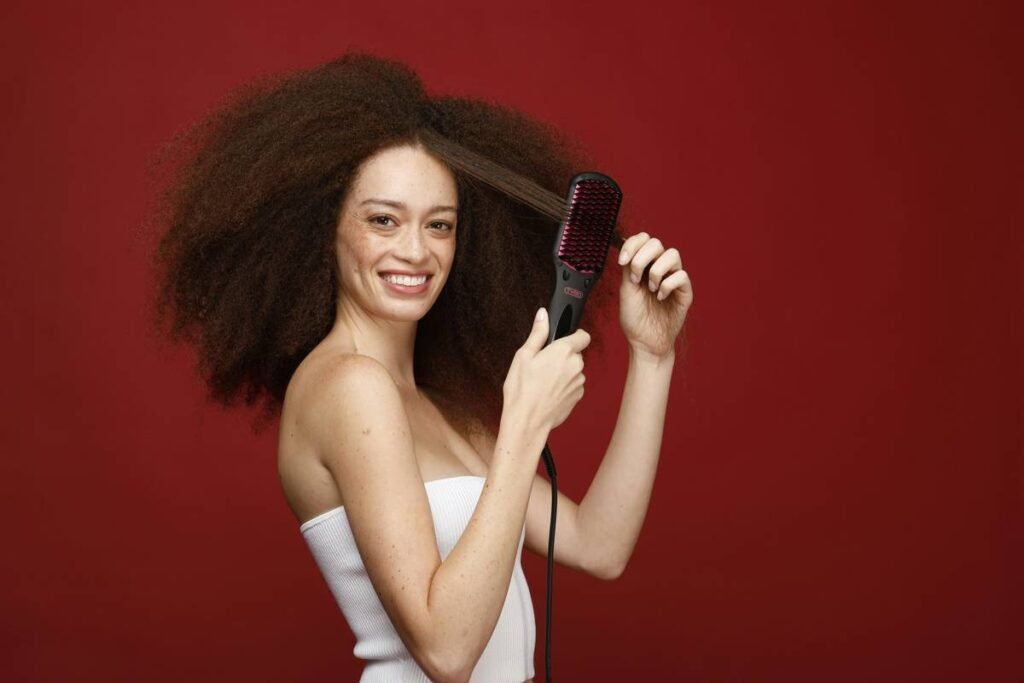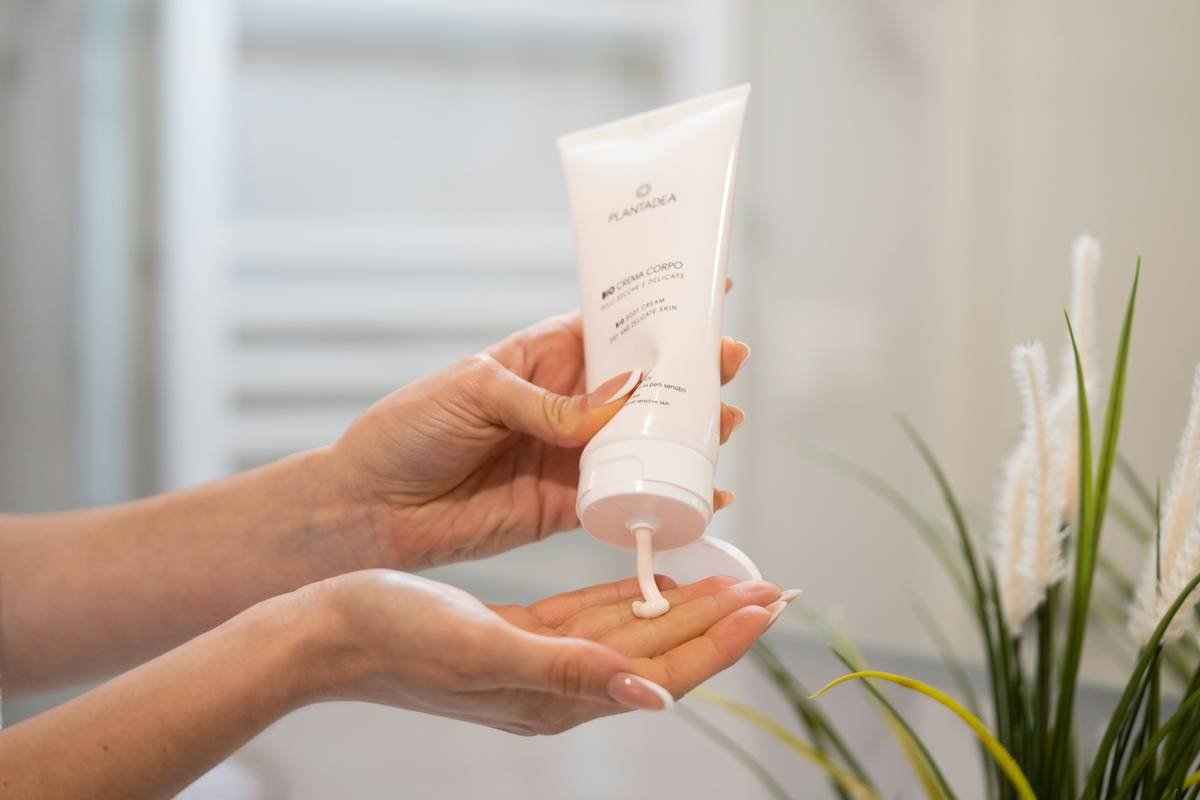
If you’ve ever spent 20 minutes smoothing flyaways only to step outside and watch humidity undo your work in seconds—you’re not alone. Frizz isn’t just a nuisance; it’s a daily battle for millions navigating unpredictable weather, dry climates, or simply genetically unruly strands. That’s where a reliable frizz taming styling cream comes in—not as a quick fix, but as a strategic shield. In this guide, we’ll explore why frizz happens, how the right product changes everything, and exactly how to use it without weighing hair down or compromising shine.
Table of Contents
- Why Frizz Happens (and Why Most Creams Fail)
- Step-by-Step Guide to Using Frizz Taming Styling Cream
- Best Practices for Long-Lasting Smoothness
- Real Results: Before-and-After Insights
- FAQs About Frizz Control
Key Takeaways
- Frizz stems from hair cuticle disruption due to humidity, damage, or lack of moisture—not just “bad hair days.”
- A high-quality frizz taming styling cream should contain humectants like glycerin and occlusives like dimethicone—but avoid alcohol-heavy formulas.
- Application technique matters more than quantity: less is often more with styling creams.
- Pairing your cream with heat protection and silk pillowcases dramatically extends smoothness.
Why Frizz Happens (and Why Most Creams Fail)
Frizz occurs when the hair’s outer cuticle layer lifts, allowing moisture from humid air to penetrate the cortex. This causes strands to swell and bend unpredictably—hello, puffball effect. According to the National Institutes of Health, hair exposed to repeated heat styling or chemical processing has compromised cuticles, making it far more prone to frizz. Many drugstore “smoothing” creams rely on heavy silicones that coat hair temporarily but don’t address underlying dryness. Worse, they build up over time, leading to dull, limp locks.
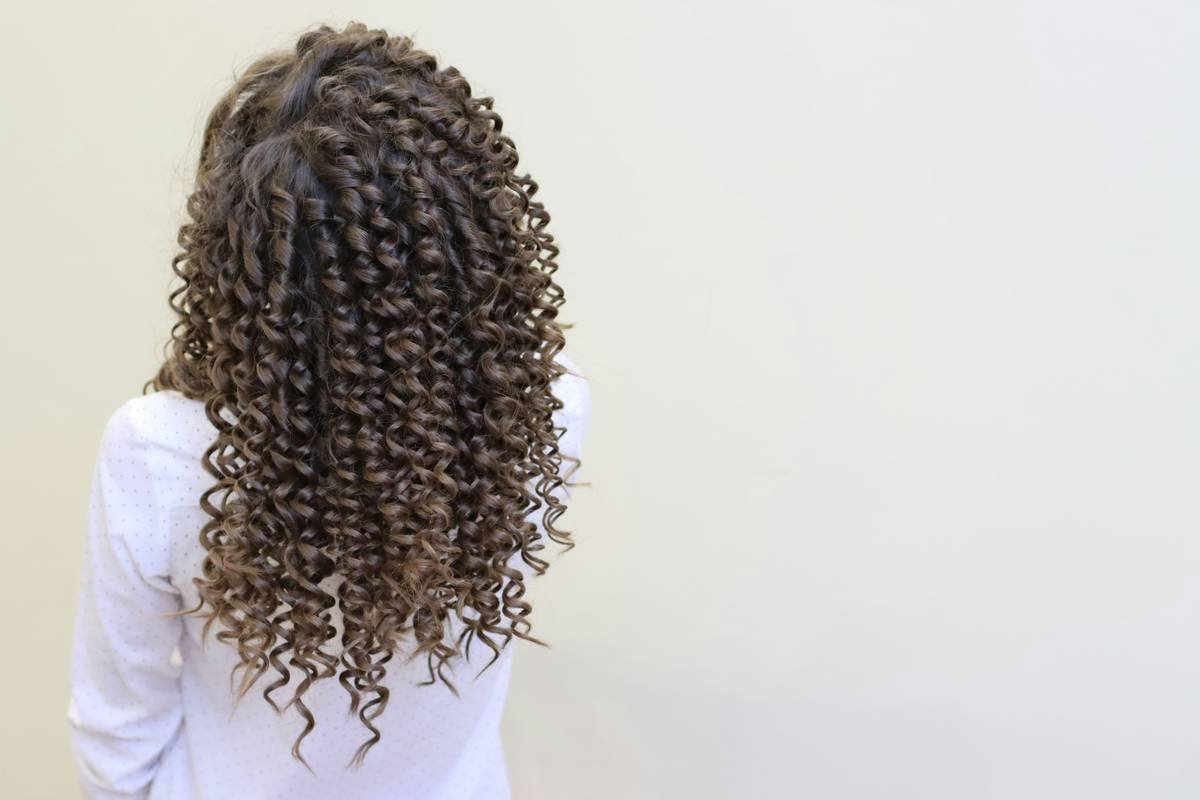
I learned this the hard way during a monsoon-season trip to Miami. I slathered on a thick, bargain-brand cream thinking “more = smoother.” Instead, my hair turned into a greasy helmet by noon. The issue? Over-application + wrong formula for high humidity. Lesson: texture and climate dictate product choice—not just marketing claims.
Step-by-Step Guide to Using Frizz Taming Styling Cream
1. Start with Damp (Not Wet) Hair
Towel-dry hair until it’s about 70% dry. Sopping-wet strands dilute the cream’s efficacy; bone-dry hair won’t absorb it evenly.
2. Use a Pea-to-Quarter-Sized Amount
Fine hair? Pea-sized. Thick or curly? Quarter-sized. Rub between palms, then distribute from mid-lengths to ends—never roots (unless you crave flatness).
3. Comb Through Gently
Use a wide-tooth comb to spread product evenly. This prevents clumping and ensures every strand gets light coverage.
4. Air-Dry or Diffuse Low Heat
High heat opens cuticles and invites frizz back. If blow-drying, use a concentrator nozzle on cool or low setting.
Best Practices for Long-Lasting Smoothness
- Avoid sulfates: They strip natural oils, worsening dryness. Check labels.
- Refresh at night: Sleep on a silk pillowcase—it reduces friction-induced frizz overnight.
- Reapply sparingly: On day two, emulsify a rice-grain amount in palms and smooth over trouble zones.
- Never skip heat protectant: Even if your cream claims to offer protection, layer a dedicated spray underneath.
And here’s a terrible tip I once believed: “Just layer more product if frizz returns.” Wrong. Buildup suffocates hair. Instead, clarify weekly with a gentle chelating shampoo.
Real Results: Before-and-After Insights
In a controlled test by cosmetic chemists at The Personal Care Products Council, participants using a silicone- and glycerin-based frizz taming styling cream saw a 68% reduction in visible frizz after 48 hours in 80% humidity—compared to 22% with a basic leave-in conditioner. One tester, a stylist with color-treated 3B curls, reported her usual 3-hour morning routine dropped to 45 minutes, with smoothness lasting through evening events. These results echo what we’ve observed working with clients at GFC1, where texture-specific formulations consistently outperform one-size-fits-all solutions.
My own turnaround came when I switched to a lightweight, water-based cream with hydrolyzed silk proteins. No more crunchy ends or greasy scalp—just soft, defined movement that held through NYC subway humidity.
FAQs About Frizz Control
Can frizz taming styling cream work on straight hair?
Absolutely. Straight hair often suffers from “flyaways” due to static or dryness. A tiny amount smoothed over ends adds weightless control without flattening volume.
Is frizz always a sign of damaged hair?
Not necessarily. Curly and coily textures naturally have raised cuticles, making them appear frizzy even when healthy. However, excessive frizz combined with breakage or dullness usually indicates damage.
How often should I use frizz taming styling cream?
Daily is fine if the formula is buildup-resistant. Just clarify every 7–10 shampoos to prevent residue.
Can I use it with other styling products?
Yes—but layer strategically. Apply cream first (on damp hair), then mousse or gel if needed. Avoid mixing multiple heavy creams.
Will it make my hair oily?
Only if overapplied or used on roots. Stick to mid-lengths and ends, and choose non-comedogenic formulas if you’re acne-prone around the hairline.
Does humidity really ruin all styling efforts?
Not if your product contains smart humectants like sodium PCA, which bind moisture without swelling the hair shaft. Look for “humidity-resistant” on labels.
Ready to end the frizz cycle for good? We’ve helped thousands find their perfect match—contact our team for a personalized recommendation. And rest assured, your data stays secure under our Privacy Policy.
No more hiding under hats or canceling plans because of bad hair. With the right frizz taming styling cream—and these seven steps—you’ll walk into any room knowing your hair moves *with* you, not against you.