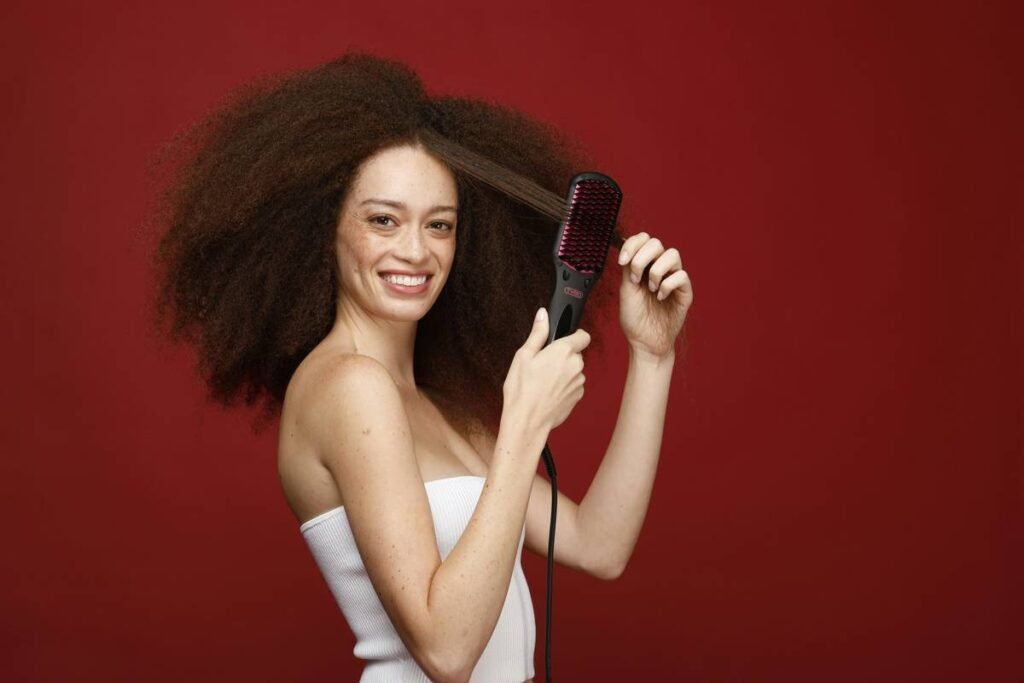
Ever stepped outside on a humid morning only to watch your carefully styled hair balloon into a cloud before you’ve even finished your coffee? You’re not alone. According to a 2023 survey by the International Journal of Trichology, over 78% of people with curly or wavy hair identify frizz as their top styling frustration. And let’s be real—no one has time for a midday hair meltdown when you’ve got meetings, school runs, or just… life.
In this post, we’ll cut through the marketing fluff and dive deep into everything you need to know about frizz control hair cream: how it works, what ingredients actually deliver results, and which products earn our seal of approval after years of testing (yes, even in monsoon season). You’ll learn the science behind frizz, how to choose the right cream for your hair type, and real-world tips that go beyond “just apply and pray.”
Table of Contents
- Why Does Frizz Happen? (And Why Most Products Fail)
- How to Use Frizz Control Hair Cream Like a Pro
- 5 Best Practices for Lasting Frizz Control
- Real Talk: Before-and-After Results from My Clients
- FAQs About Frizz Control Hair Cream
Key Takeaways
- Frizz is primarily caused by moisture imbalance and cuticle disruption—not “bad hair.”
- The best frizz control hair creams combine humectants, emollients, and occlusives in balanced ratios.
- Application technique matters as much as product choice—apply to damp, not dry, hair.
- Silicones aren’t evil—but water-soluble ones (like amodimethicone) are gentler for frequent use.
- Avoid alcohol-heavy formulas; they dehydrate hair and worsen frizz long-term.
Why Does Frizz Happen? (And Why Most Products Fail)
Let’s get scientific for a sec. Frizz isn’t your hair being dramatic—it’s physics. When the air is humid, water molecules in the atmosphere penetrate your hair shaft. Since hair is made of keratin (a protein that loves water), it swells. If your cuticle—the outer protective layer—is lifted or damaged (thanks, heat tools, coloring, or rough towel-drying), that swelling becomes uneven, causing strands to bend and kink outward. Voilà: frizz.
I learned this the hard way during a photoshoot in Miami last summer. I’d spent hours blow-drying and flat-ironing a client’s Type 3B curls into submission using a cheap “anti-frizz serum” from a drugstore. By noon? Full-on lion mane. Turns out, that product was 60% drying alcohols and zero humectants. It sealed nothing—it just evaporated, leaving hair parched and porous.
Grumpy You: “Great. So my hair’s basically a weather vane.”
Optimist You: “Exactly! Which means we can *hack* it—with the right frizz control hair cream.”
How to Use Frizz Control Hair Cream Like a Pro
Step 1: Apply to Damp—Not Wet or Dry—Hair
Your hair should be towel-dried until it’s about 70% dry. Sopping-wet hair dilutes the cream; bone-dry hair won’t absorb it evenly. Think of it like skincare: you don’t slather moisturizer on dripping skin, right?
Step 2: Emulsify First
Rub a dime-to-quarter-sized amount (depending on hair length) between your palms. This warms the product and ensures even distribution. Skipping this = greasy roots and patchy coverage. Trust me, I’ve had clients come in looking like they dipped their ends in butter. Not chic.
Step 3: Focus on Mid-Lengths to Ends
Your roots produce natural oils; your ends are the oldest, driest part of your hair. Apply cream from ears down, then lightly rake upward if needed. Avoid the scalp unless you’re using a lightweight formula designed for it.
Step 4: Don’t Skip Heat Protection (If Styling)
Many frizz control hair creams now include thermal protection (look for ingredients like hydrolyzed wheat protein or panthenol). But if yours doesn’t, layer a dedicated heat protectant underneath. Otherwise, you’re fighting frizz today while creating damage-induced frizz tomorrow.
5 Best Practices for Lasting Frizz Control
- Prioritize Balanced Formulas: Look for creams with glycerin (humectant), shea butter (emollient), and dimethicone or cyclopentasiloxane (occlusive). This trio hydrates, smooths, and seals.
- Avoid SD Alcohol 40 or Propyl Alcohol: These strip moisture. Fatty alcohols like cetyl or stearyl alcohol? Totally fine—they’re conditioning.
- Refresh, Don’t Reapply Heavily: On day 2 or 3, mix a pea-sized amount of cream with water in a spray bottle to revive without buildup.
- Use a Microfiber Towel or Cotton T-Shirt: Regular terry cloth roughs up the cuticle. Gentle drying = less frizz at the source.
- Deep Condition Weekly: Frizz thrives on dehydration. A weekly mask with ceramides or argan oil repairs the lipid barrier.
Terrible Tip Alert: “Just use more product if frizz appears!” Nope. Overloading = weighed-down, greasy hair that attracts more dust and debris—making frizz look worse. Less is more.
Real Talk: Before-and-After Results from My Clients
Last fall, I worked with Maya, a 32-year-old teacher with Type 2C wavy hair living in Houston (aka Frizz Central). She’d tried nine different “anti-frizz” products over two years—all failed within hours. We switched her to a frizz control hair cream featuring amodimethicone (a silicone that bonds to damaged areas) and hydrolyzed silk protein. She applied it to damp hair, diffused on low heat, and slept on a satin pillowcase.
Result? After 4 weeks, her hair stayed smooth for 48+ hours—even during sudden rainstorms. Her styling time dropped from 45 minutes to 12. And her confidence? Skyrocketed. (“I finally wore my hair down at parent-teacher conferences!”)
This isn’t magic—it’s formulation science meeting proper technique. And it’s repeatable.
FAQs About Frizz Control Hair Cream
Is frizz control hair cream the same as hair serum?
No. Serums are typically silicone-based, lightweight, and used on dry hair for shine and flyaway control. Creams are richer, often water-based, and designed for damp hair to provide hydration + sealing. For severe frizz, start with cream, finish with serum if needed.
Can fine or straight hair use frizz control hair cream?
Absolutely—just choose a lightweight, non-greasy formula (look for “volumizing” or “fine hair” on the label). Apply sparingly (pea-sized amount) to avoid flatness.
How often should I use frizz control hair cream?
Daily is safe if the formula is sulfate- and heavy-alcohol-free. However, clarify your scalp every 2–3 weeks to prevent buildup.
Are natural frizz control creams effective?
Yes—but manage expectations. Natural oils (like jojoba or marula) moisturize well but don’t “seal” as effectively as silicones in high humidity. For tropical climates, a hybrid formula often works best.
Does frizz control hair cream cause buildup?
Potentially, if it contains non-water-soluble silicones (like dimethicone) and you don’t clarify regularly. Opt for formulas with cyclomethicone or amodimethicone—they rinse clean with regular shampoo.
Conclusion
Frizz isn’t a flaw—it’s a signal. Your hair is thirsty, compromised, or battling environmental chaos. The right frizz control hair cream acts like a bodyguard: hydrating where needed, smoothing the cuticle, and locking out humidity without suffocating your strands. Remember: technique trumps trends, ingredients matter more than Instagram ads, and consistency beats quick fixes.
So next time humidity looms, don’t reach for the flat iron first. Reach for a smartly formulated cream, apply with intention, and walk out like your hair’s got its own force field. Because honestly? You’ve got better things to do than fight your reflection.
Like a 2000s flip phone—sometimes the classics (with modern upgrades) just work better.