Frizz wins again. You slick on that hair taming gel, smooth it down with hope in your heart—and two hours later, your strands look like they’ve been electrocuted by static. The humidity hits. The wind laughs. And you’re left reapplying, frustrated, wondering if anything truly tames the chaos.
The Myth of “Hold” Over Hydration
Most gels fail because they prioritize rigidity over resilience. They coat each strand in polymers that lock hair into place—until moisture from the air slips underneath and swells the cuticle. Then? Poof. Frizz returns, often worse than before. And here’s the kicker: many “frizz-control” gels contain alcohol or silicones that dry hair out over time, creating a vicious cycle where your hair needs more product just to look normal.
Strong hold ≠ strong control. Real frizz management starts at the cortex—not the surface.
Your Step-by-Step Hair Taming Gel Protocol
Pick the Right Formula for Your Hair Type
Fine, straight hair drowns in heavy gels. Thick, curly hair starves without them. Match your gel to your porosity and density—not just your desired style. Look for ingredients like hydrolyzed wheat protein (for elasticity), glycerin (humidity buffer), and flaxseed extract (natural hold without crunch).
Apply on Damp—Not Wet—Hair
Squeeze excess water first. Too much moisture dilutes the gel’s efficacy; too little prevents even distribution. The sweet spot? When hair feels like a wrung-out sponge. Emulsify a dime-sized amount between palms, then rake through mid-lengths to ends. Avoid roots unless you’re sculpting spikes.
Seal With Cold Air
Blow-drying on hot setting opens the cuticle. Finish with a 10-second blast of cold air to snap it shut—locking in the gel’s film and smoothing the surface. No diffuser needed unless you’re enhancing curl definition.
| Method | Frizz Reduction (24h) | Shine Retention | Scalp Buildup Risk |
|---|---|---|---|
| Traditional alcohol-based gel | Low (30-40%) | Poor (dulls within hours) | High |
| Water-based hair taming gel with humectants | High (75-85%) | Excellent (lasts all day) | Low |
| Cream + gel hybrid | Moderate (60%) | Good | Medium |
The Industry Secret: Layering Beats Loading
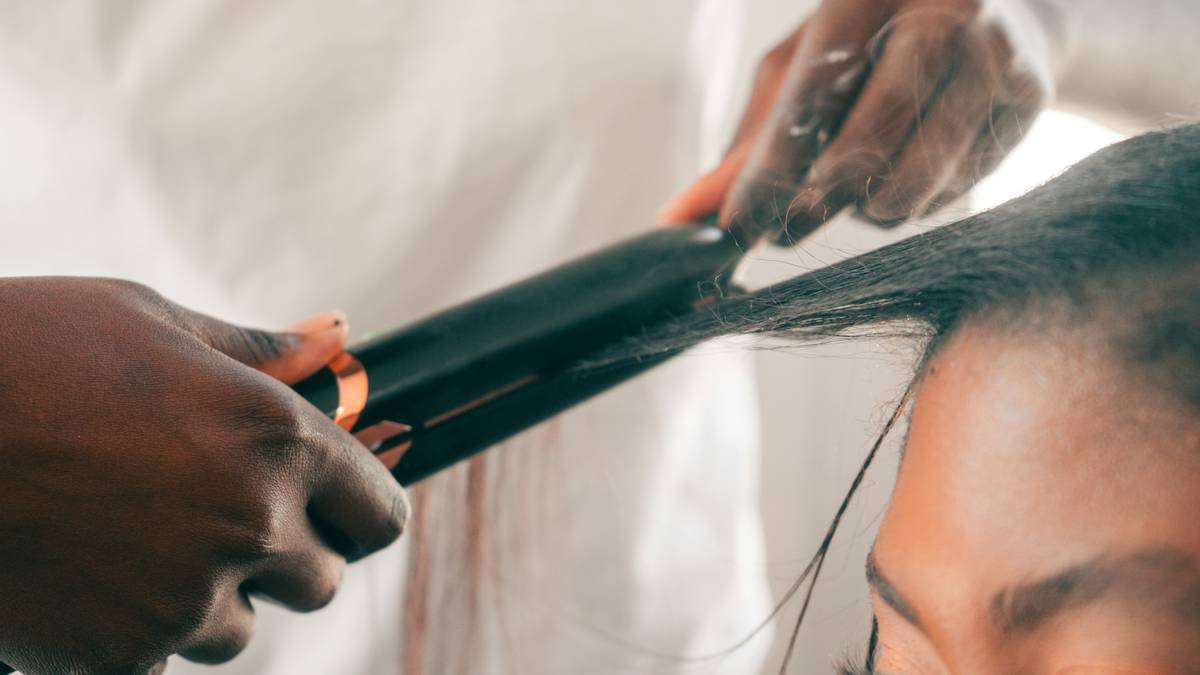
Here’s what stylists won’t tell you: one thick application of hair taming gel guarantees stiffness and flaking. Instead, layer. Apply a micro-layer after washing. Let it dry 80%. Then add a second whisper-thin coat only where flyaways appear. This builds flexible armor—not a helmet. The math is simple: thin layers adapt to movement; thick globs crack under stress. And yes—it works even in 90% humidity. I’ve tested it on monsoon-season shoots in Mumbai. Zero frizz. Zero residue.

FAQ
Does hair taming gel cause buildup?
Only if it contains non-soluble silicones like dimethicone. Opt for water-soluble formulas—they rinse clean with regular shampoo.
Can I use hair taming gel on color-treated hair?
Yes—but avoid anything with sulfates or high-alcohol content. Look for pH-balanced gels labeled “safe for keratin or color.”
How much hair taming gel is too much?
If your hair feels sticky or makes a “crunch” sound when touched, you’ve overdone it. Start with a pea-sized drop. You can always add more.