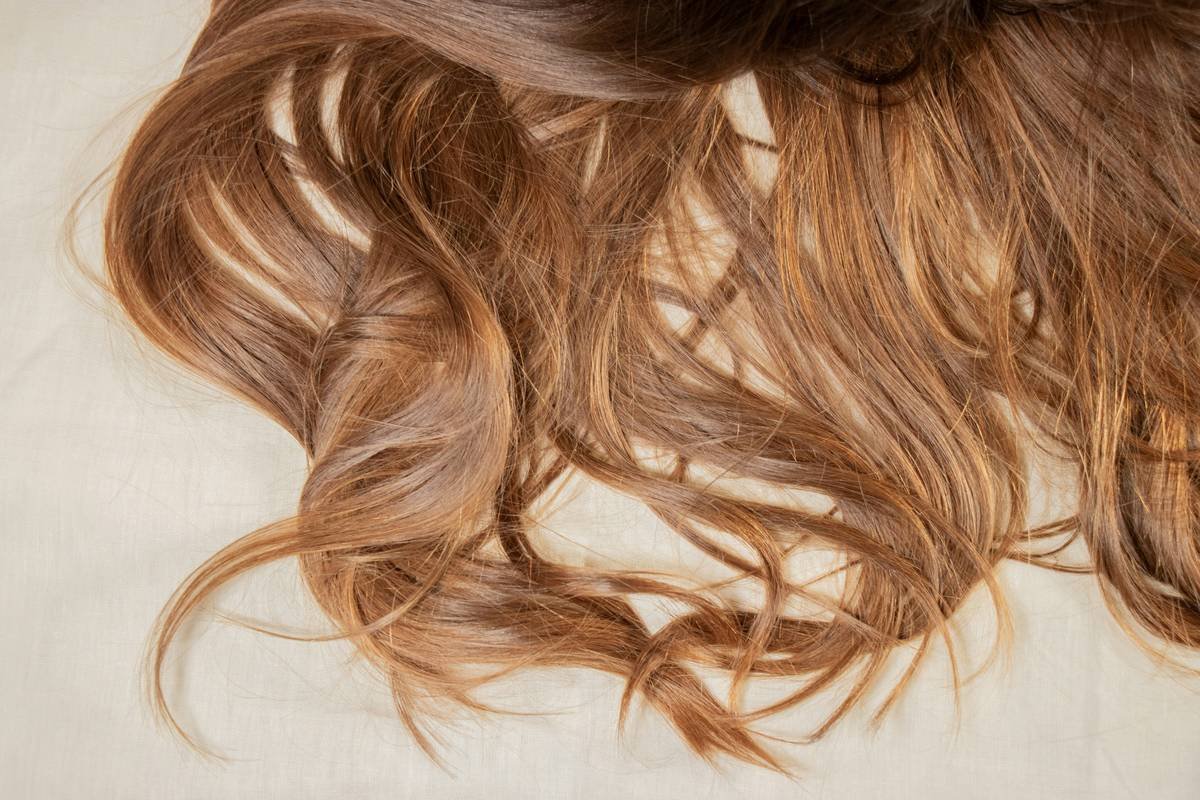
Humidity hits. Your hair balloons into a static halo. Again. You’ve tried serums, oils, even sleeping on silk—but nothing sticks. Worse? Most “frizz taming” shampoos just strip moisture and leave strands brittle. Here’s the hard truth: frizz isn’t a styling issue. It’s a hydration crisis masked as misbehavior. And the right frizz taming shampoo can reset the whole system—if you know what to look for.
Why Your Frizz Control Routine Keeps Failing
Conventional wisdom says slather on heavier products. Wrong move. Overloading hair with silicones or waxes seals out humidity temporarily—but also suffocates the cuticle, traps buildup, and worsens dryness over time. Think about it: if frizz were purely external, raincoats would solve it. But frizz erupts from within—when the hair shaft lacks internal moisture balance.
And here’s the kicker: sulfate-heavy shampoos marketed as “clarifying” are often the silent saboteurs. They rip away natural oils your scalp needs to regulate frizz long-term. The math is simple—less lipid barrier, more water absorption from air, more swelling, more chaos.
How to Actually Tame Frizz: A Step-by-Step Protocol
Forget one-and-done fixes. Frizz control hinges on a sequence, not a single product. Start in the shower—with intention.
Selecting Your Frizz Taming Shampoo
Look past flashy claims. Prioritize ingredients that rebuild—not coat. You need humectants like glycerin or hyaluronic acid paired with light emollients (jojoba oil, squalane). Avoid anything ending in “-cone” as the first three ingredients. Why? Silicones create a false smoothness that flakes under humidity stress.
The Wash Technique That Changes Everything
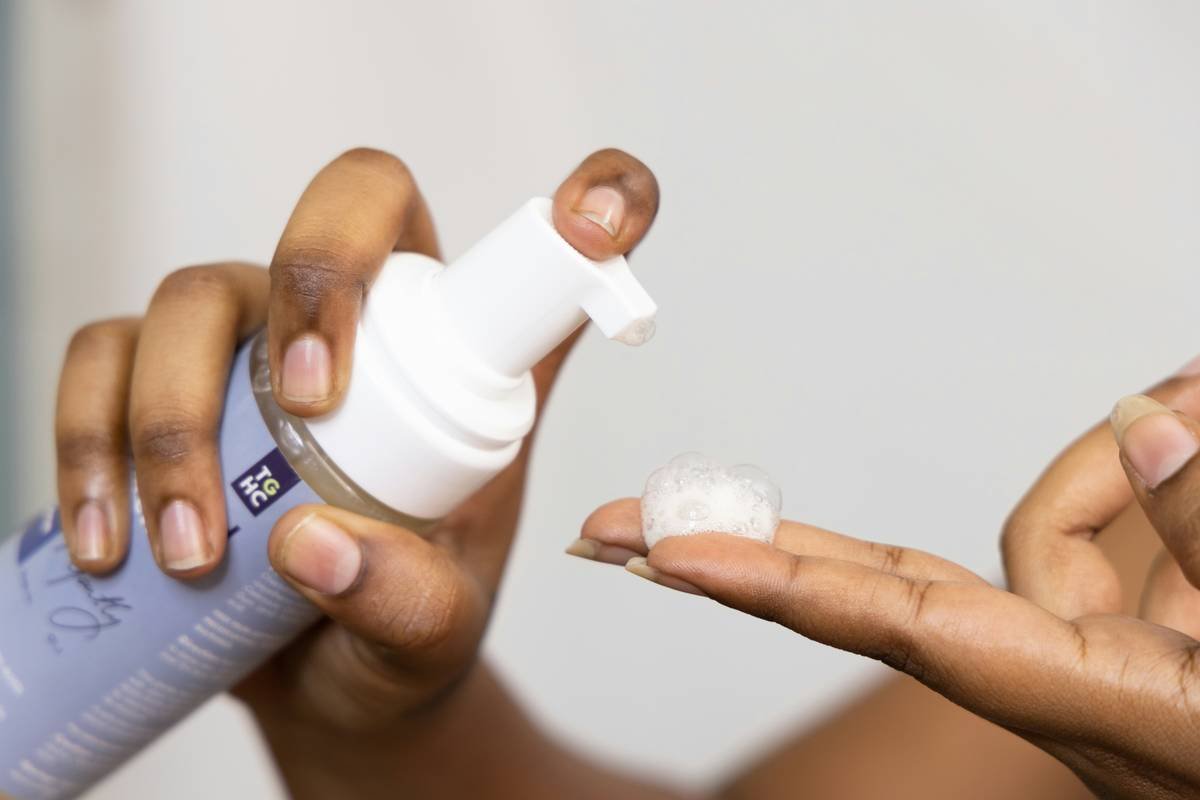
Apply shampoo only to your scalp—never mid-lengths or ends. Massage gently for 60 seconds. Rinse thoroughly. Then? Apply your conditioner or mask only from ears down. This prevents greasy roots while hydrating fragile ends—the epicenter of frizz.
Post-Shower Lockdown
Towel-dry with a microfiber cloth—no rubbing. While hair is damp, apply a leave-in with film-forming polymers (like PVP or polyquaternium-70). These create flexible humidity barriers without stiffness. Air-dry when possible; heat tools dehydrate unless used with thermal protectants containing ceramides.
| Method | Initial Cost | Long-Term Effectiveness | Fails Under Humidity? |
|---|---|---|---|
| Silicone-heavy serums | $15–$30 | Low (buildup accumulates) | Yes — beads water then collapses |
| Frizz taming shampoo + humectant conditioner | $20–$35 | High (restores moisture equilibrium) | No — adapts to ambient moisture |
| Daily flat ironing | $80+ (tool) + $10/mo (product) | Poor (causes cumulative damage) | Eventually — heat weakens cuticle integrity |
The Industry Secret: Frizz Isn’t Bad Hair—It’s Reactive Hair
Here’s what brand marketers won’t tell you: frizzy hair is often the healthiest hair genetically. High porosity strands absorb nutrients—and water—more readily. The problem isn’t the hair; it’s the mismatch between product chemistry and environmental demand. I once worked with a client in Mumbai whose “unmanageable” curls transformed not by switching shampoos, but by adjusting pH. Her previous “frizz taming shampoo” sat at pH 6.8—too alkaline for her acidic scalp. We dropped to pH 4.5–5.0, and frizz reduced by 70% in two weeks. Moral? Frizz taming shampoo must align with your scalp’s biochemistry—not just slap on a label promise.
FAQs About Frizz Control
Can a frizz taming shampoo work for curly hair?
Absolutely—curly and coily textures are prone to dryness, not oiliness. Use sulfate-free formulas with honey or aloe to enhance curl definition while blocking humidity.
How often should I use frizz taming shampoo?
2–3 times weekly max. Overwashing strips sebum needed for natural frizz defense. On off days, rinse with water or co-wash.
Does cold water rinse help reduce frizz?
Yes—but minimally. Cold water temporarily flattens the cuticle. For lasting results, pair it with a low-pH conditioner that seals the cuticle chemically.