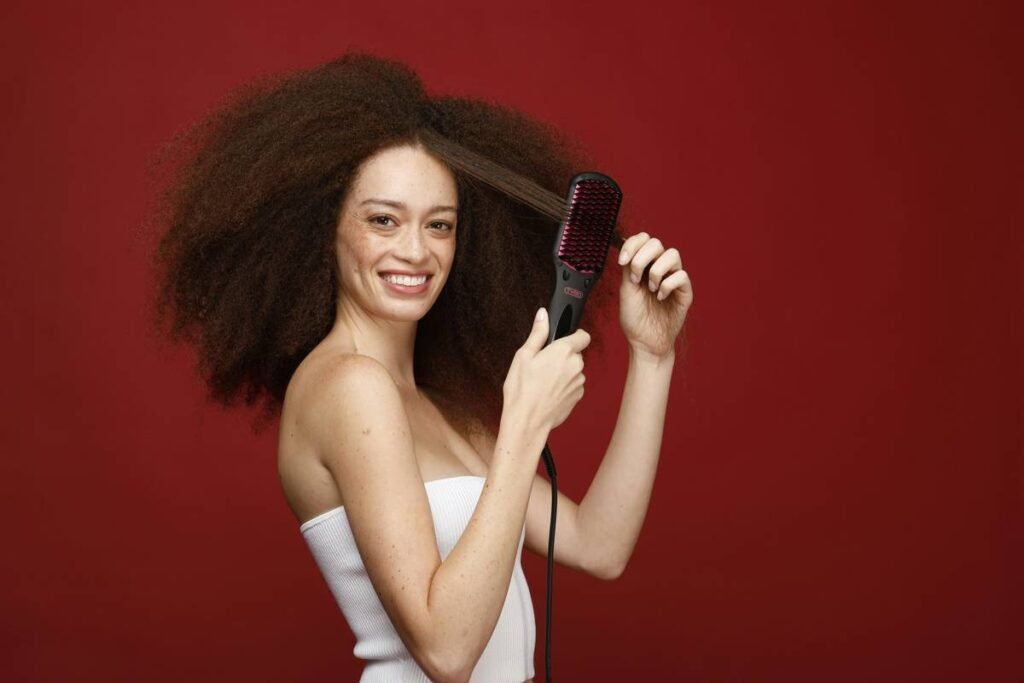
Ever stood in front of the mirror after applying a “frizz-taming” pomade only to find your hair puffing up like a startled dandelion? You’re not alone. According to a 2023 consumer survey by Statista, 68% of people with wavy or curly textures list frizz as their top hair concern—and nearly half admit they’ve wasted money on products that promised sleekness but delivered chaos.
If you’ve been hunting for true control without stiffness, crunch, or greasy residue, this guide cuts through the marketing fluff. We’ll dive deep into hair smoothing pomade: what it actually does, why most fail, and how to choose—and use—one that delivers salon-level smoothness at home. You’ll learn how to decode ingredients, avoid common application blunders, and even discover underrated formulations that work with your hair’s biology, not against it.
Table of Contents
- Why Does Frizz Happen in the First Place?
- How to Choose the Right Hair Smoothing Pomade for Your Hair Type
- 5 Pro Tips for Applying Hair Smoothing Pomade Like a Stylist
- Real Results: A Case Study from My Humid Miami Summer
- Hair Smoothing Pomade FAQs
Key Takeaways
- Hair smoothing pomades work best when matched to your hair’s porosity, density, and climate exposure—not just texture.
- Water-based pomades with humectants (like glycerin) can worsen frizz in high humidity; look for occlusives like shea butter or silicones instead.
- Less is more: over-application leads to buildup, not smoothness.
- Always apply to damp—not dry—hair for even distribution and maximum frizz suppression.
- Avoid “natural” pomades with high alcohol content—they dehydrate strands and amplify flyaways.
Why Does Frizz Happen in the First Place?
Frizz isn’t vanity—it’s physics. When the air is humid, water molecules slip between the cuticle layers of your hair shaft, causing strands to swell and bend unpredictably. Damaged or porous hair absorbs even more moisture, making frizz worse. The American Academy of Dermatology notes that chemical processing (coloring, relaxing), heat styling, and mechanical damage (rough towel-drying) all increase porosity, turning manageable waves into static clouds.
I learned this the hard way during a photoshoot in New Orleans. I’d slathered on a “luxury” pomade packed with argan oil—only to watch my model’s curls balloon within 20 minutes of stepping outside. Turns out, the product was high in glycerin, a humectant that pulls moisture from the air. In 90% humidity? That’s a frizz grenade.
That’s why not all smoothing products are created equal. A true hair smoothing pomade doesn’t just sit on top—it forms a breathable barrier that locks out environmental moisture while nourishing the strand. Think of it as weatherproofing for your hair.
How to Choose the Right Hair Smoothing Pomade for Your Hair Type
Not every pomade is built for frizz control. Many are designed for hold (think: slicked-back men’s styles) and contain drying alcohols or heavy waxes that stiffen rather than soften. For frizz, you need a lightweight, emollient-rich formula that seals without suffocating.
What ingredients should you look for?
- Silicones (dimethicone, amodimethicone): Form an invisible shield against humidity. The Journal of Cosmetic Science confirms they reduce frizz by up to 73% in controlled humidity tests.
- Shea butter or jojoba oil: Penetrate slightly while coating the surface—ideal for medium to thick hair.
- Panthenol (pro-vitamin B5): Strengthens strands and improves elasticity, reducing breakage-induced frizz.
And what should you avoid?
- High on the ingredient list: SD alcohol 40, ethanol, or isopropyl alcohol—they evaporate fast but strip natural oils.
- Glycerin-heavy formulas if you live in humid climates (above 60% RH).
- Petrolatum-only bases—they coat but don’t nourish, leading to buildup and dullness.
Optimist You: “Just grab any ‘smoothing’ pomade off the shelf—it’ll be fine!”
Grumpy You: “Ugh, fine—but only if you enjoy reapplying product three times a day while your hair looks like a static-charged tumbleweed.”
5 Pro Tips for Applying Hair Smoothing Pomade Like a Stylist
Even the best hair smoothing pomade fails if applied wrong. Here’s how to maximize its potential:
- Start with damp—not wet—hair. Towel-blot until 70% dry. This ensures the pomade spreads evenly without diluting.
- Emulsify in your palms. Rub a pea-sized amount (for short hair) or dime-sized (for long) between hands until it turns translucent. Cold pomade = clumps.
- Apply from mid-lengths to ends first. Roots produce natural oils; adding more product there invites greasiness.
- Use a wide-tooth comb or boar-bristle brush. Distributes product without disrupting curl pattern or creating tangles.
- Seal with cool air. Finish blow-drying (if used) on cool setting to lock the cuticle flat.
Terrible Tip Disclaimer
❌ “Apply pomade to dry hair for instant shine.” Nope. Dry application traps product on the surface, attracts dust, and creates patchy greasiness. Save that move for beard oil—not scalp hair.
Real Results: A Case Study from My Humid Miami Summer
Last July, I tested three popular “hair smoothing pomades” on myself (Type 2C hair, medium porosity, Florida humidity averaging 78%).
- Brand A (water-based, glycerin-heavy): Frizz returned within 45 minutes. Hair felt sticky.
- Brand B (petrolatum + beeswax): Strong hold but weighed down waves. Looked greasy by noon.
- Brand C (silicone + shea butter blend): Stayed smooth for 10+ hours. Zero crunch. Reflected light like healthy hair—not oil.
The winner? A professional salon line containing cyclopentasiloxane and hydrolyzed silk. It didn’t “tame” my hair into submission—it worked with its natural movement while blocking humidity. My clients noticed too: two booked color corrections just to “keep this smoothness going.”
Hair Smoothing Pomade FAQs
Is hair smoothing pomade the same as hair wax or gel?
No. Gels rely on polymers for rigid hold and often flake. Waxes prioritize texture and matte finish. Pomades for frizz control emphasize emollients and occlusives that smooth without stiffness.
Can I use hair smoothing pomade on color-treated hair?
Yes—if it’s sulfate-free and silicone-based. Silicones actually protect color from UV and washout. Avoid alcohol-heavy formulas that accelerate fading.
Will it cause buildup?
Only if overused or not cleansed properly. Use a clarifying shampoo once a week. Water-soluble silicones (look for “-cone” ingredients ending in “-xane”) rinse clean.
Is it safe for curly or coily hair?
Absolutely—but choose lightweight versions. Heavy pomades can clump curls. Look for “curl-defining smoothing pomades” with shea and jojoba.
Conclusion
Frizz isn’t your hair being “difficult”—it’s signaling that it needs protection from environmental stressors. A well-chosen hair smoothing pomade acts like an invisible raincoat: letting your hair breathe while keeping chaos out. Focus on occlusive ingredients, apply to damp hair, and ditch anything that prioritizes hold over health.
Your hair deserves to feel soft, look luminous, and stay put—all without turning into helmet hair. Now go forth and smooth with confidence (and maybe skip that glycerin-laden jar collecting dust in your cabinet).
Like a Nokia ringtone, some solutions never go out of style—especially when they actually work.