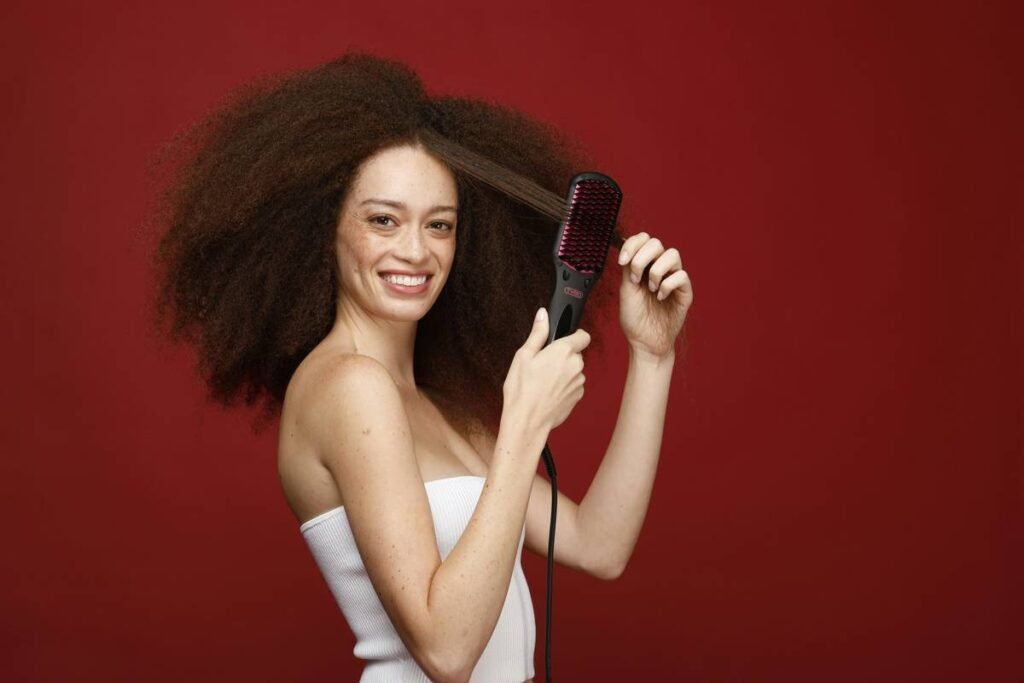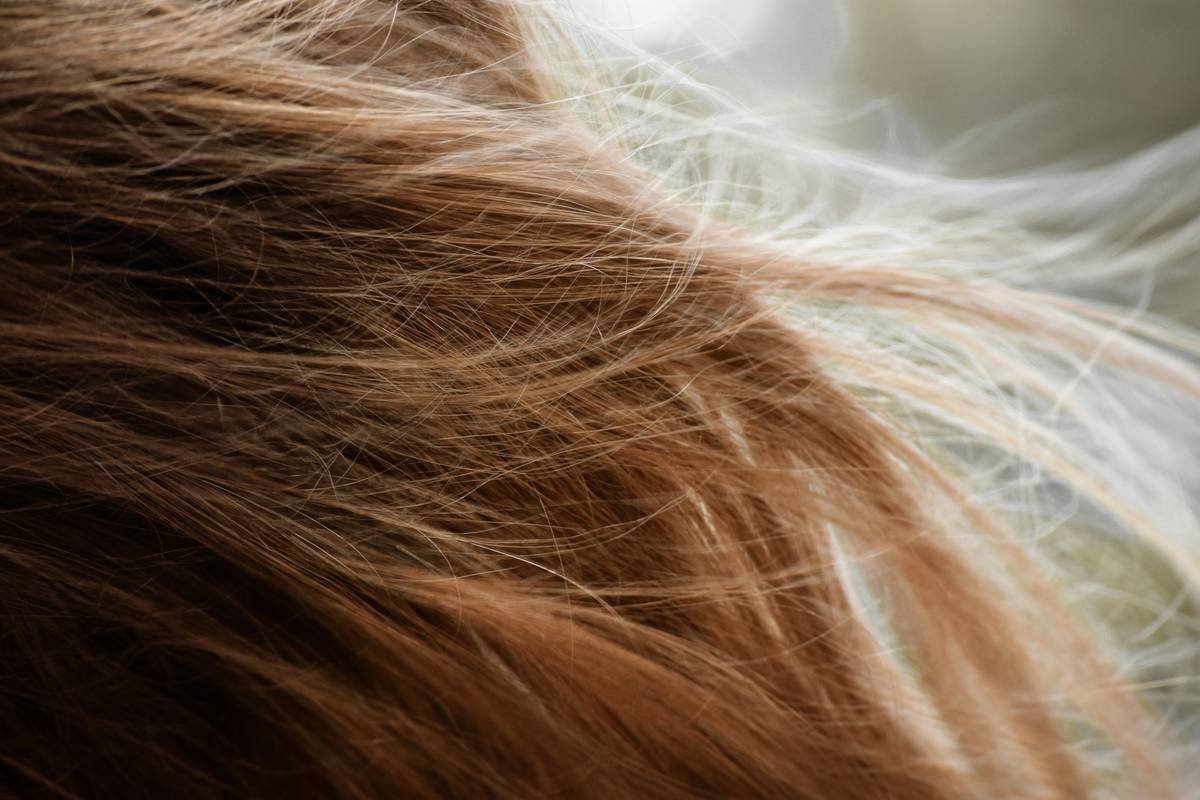
Frizz isn’t just annoying—it’s relentless. Humidity hits, your hair puffs like a startled dandelion, and no amount of flat-ironing saves you by hour three. Most styling products promise control but deliver crunch or greasy residue. Enter the smoothing styling gel—lightweight, humidity-resistant, and engineered for real-world chaos. And yes, it actually works.
Why Your Anti-Frizz Routine Keeps Failing
Traditional serums sit on the surface. Mousse adds volume but zero discipline. Hairspray? It locks frizz in place like a fossil. The core issue? Most formulas ignore the hair’s cuticle behavior in moisture-rich environments.
Frizz erupts when the hair shaft swells from ambient humidity—especially if your cuticles are lifted or damaged. Coating strands with silicones might smooth temporarily, but they suffocate porosity balance. And over time, buildup worsens dryness. You’re not fighting frizz—you’re armoring brittle hair.
How to Use Smoothing Styling Gel Like a Pro
Forget “apply and pray.” Precision matters. Here’s your tactical sequence:
Start on Damp, Not Wet Hair
Towel-dry until 70% moisture remains. Sopping strands dilute the gel’s polymers—rendering them useless against midday humidity spikes.
Emulsify First
Rub a dime-sized amount between palms. Never glob straight onto roots. This activates the film-forming agents that seal the cuticle without stiffness.
Focus on Mid-Lengths to Ends
Roots rarely frizz; damage lives lower down. Target where flyaways riot. Use fingers—not a brush—to distribute. Brushes disrupt the even polymer layer.

Don’t Rush the Dry Phase
Air-drying? Fine—but avoid touching. Blow-drying? Use a diffuser on low heat. High heat cracks the gel’s protective matrix. Result? Patchy frizz by noon.
| Method | Frizz Control (8-hr) | Hold Level | Residue Risk |
|---|---|---|---|
| Smoothing styling gel | ★★★★☆ | Medium-flexible | Low (if alcohol-free) |
| Hair serum | ★★★☆☆ | None | High (silicone buildup) |
| Hairspray | ★★☆☆☆ | Stiff | Medium (flaking) |
| Mousse | ★☆☆☆☆ | Light | Low |
The Industry Secret: pH Matters More Than Ingredients
Here’s what brands won’t tell you: a smoothing styling gel only performs if its pH matches your hair’s natural range (4.5–5.5). Most gels hover near pH 7—neutral, yes, but too alkaline for cuticle sealing.
Alkaline formulas pry open cuticles slightly to “enhance penetration,” but that backfires in humidity. Acidic gels (look for citric acid or lactic acid high in the list) contract the cuticle like a drawstring bag. Tight seal = less moisture intrusion = zero puff.
And—this is critical—avoid anything labeled “volumizing” or “texturizing.” Those often contain salts that attract water. In Miami? That’s a frizz grenade.
Frequently Asked Questions
Can smoothing styling gel work on curly hair?
Absolutely—if it’s curl-friendly. Avoid alcohol-heavy formulas. Look for glycerin-balanced gels that define while blocking humidity. Apply via scrunching, not raking.
Does smoothing styling gel cause buildup?
Only if it contains non-soluble silicones (like dimethicone) or heavy waxes. Opt for water-soluble polymers (PVP, VP/VA copolymer). Clarify once weekly with a sulfate-free shampoo.
How much smoothing styling gel should I use?
Dime-sized for fine hair. Quarter-sized for thick or coarse textures. Less is more—excess creates stiffness, not smoothness. Distribute evenly or risk crunchy patches.