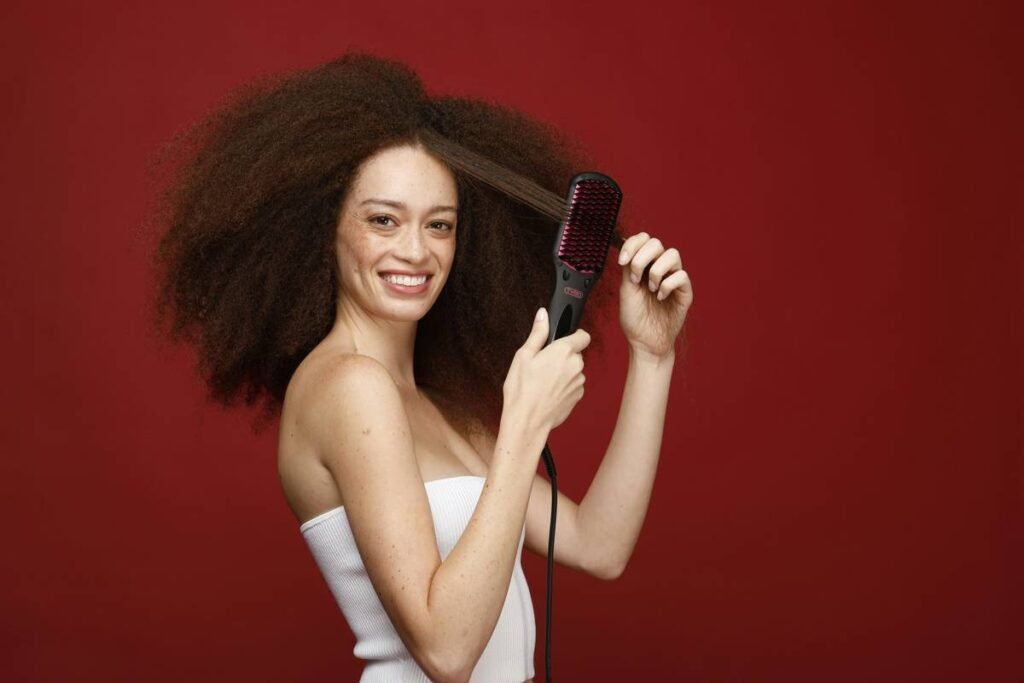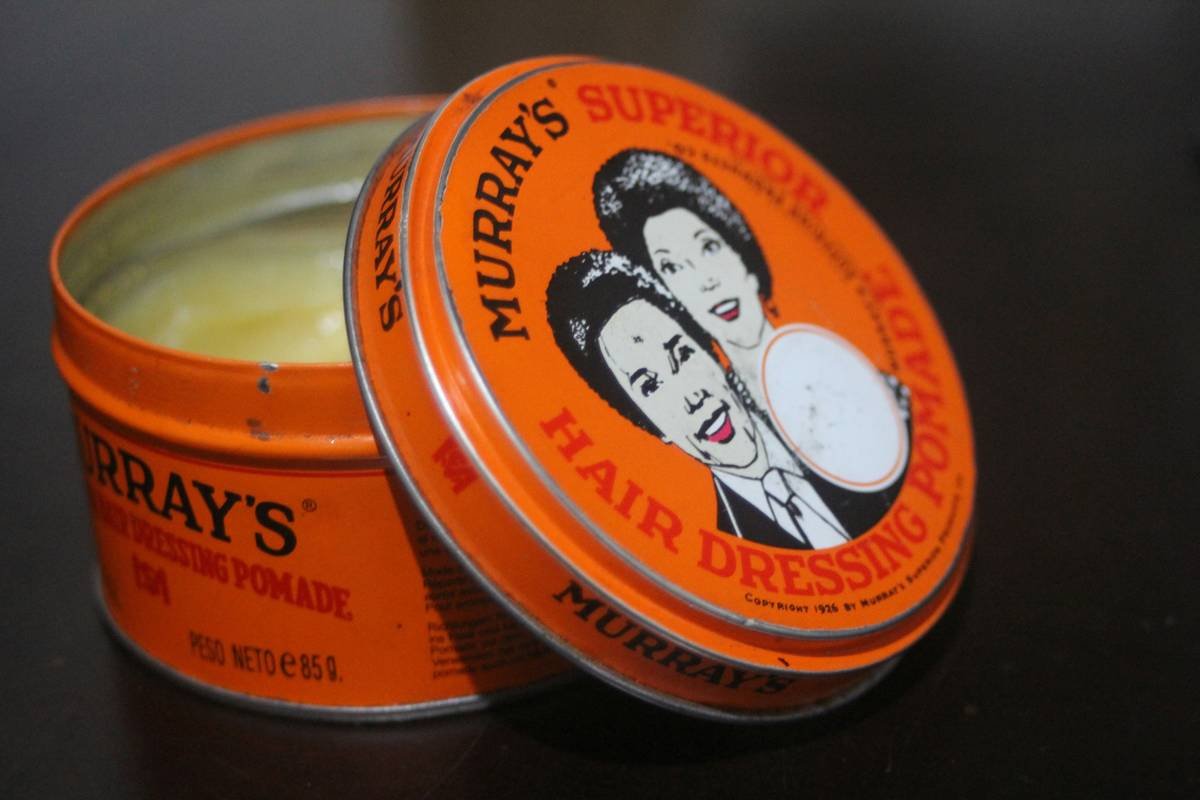
Frizz isn’t just unruly—it’s a full-on rebellion against humidity, dryness, and every product promising “sleek” that flakes out by lunchtime. You’ve tried serums, creams, even DIY coconut oil baths. Yet strands still puff like cotton candy in monsoon season. Here’s the fix: anti-frizz hair pomade—not as a last resort, but as your first line of defense.
Most frizz fighters fail because they treat symptoms, not causes
Standard serums coat hair with silicones that sit on the surface—temporary armor that melts under sweat or humidity. Creams often overload moisture without sealing the cuticle, leaving hair damp and vulnerable. And oils? They nourish but don’t control. The result: short-term smoothness followed by chaotic flyaways by midday.
Frizz starts when the hair cuticle lifts—triggered by dryness, friction, or environmental assault. If your product doesn’t lock that cuticle down *and* provide flexible hold, you’re just polishing chaos.
How to use anti-frizz hair pomade like a pro
Forget slathering it on like mousse. Precision application makes all the difference.
Step 1: Start on damp—not wet—hair
Towel-dry until strands are 70% dry. Too much water dilutes the pomade’s grip; bone-dry hair won’t absorb it evenly.
Step 2: Emulsify a pea-sized amount
Rub between palms until translucent. This activates the polymers that tame without stiffness.
Step 3: Target zones, not scalp
Focus on mid-lengths to ends—the frizz hotspots. Avoid roots unless you’re sculpting texture up top.
| Method | Hold Duration | Humidity Resistance | Residue Risk |
|---|---|---|---|
| Anti-frizz hair pomade (water-based) | 8–12 hours | High | Low (if rinsed properly) |
| Silicone serum | 3–5 hours | Medium | High (builds up over time) |
| Oils (argan, coconut) | 2–4 hours | Low | Medium (can weigh hair down) |
| Cream-based stylers | 4–6 hours | Medium-Low | Medium (varies by formula) |
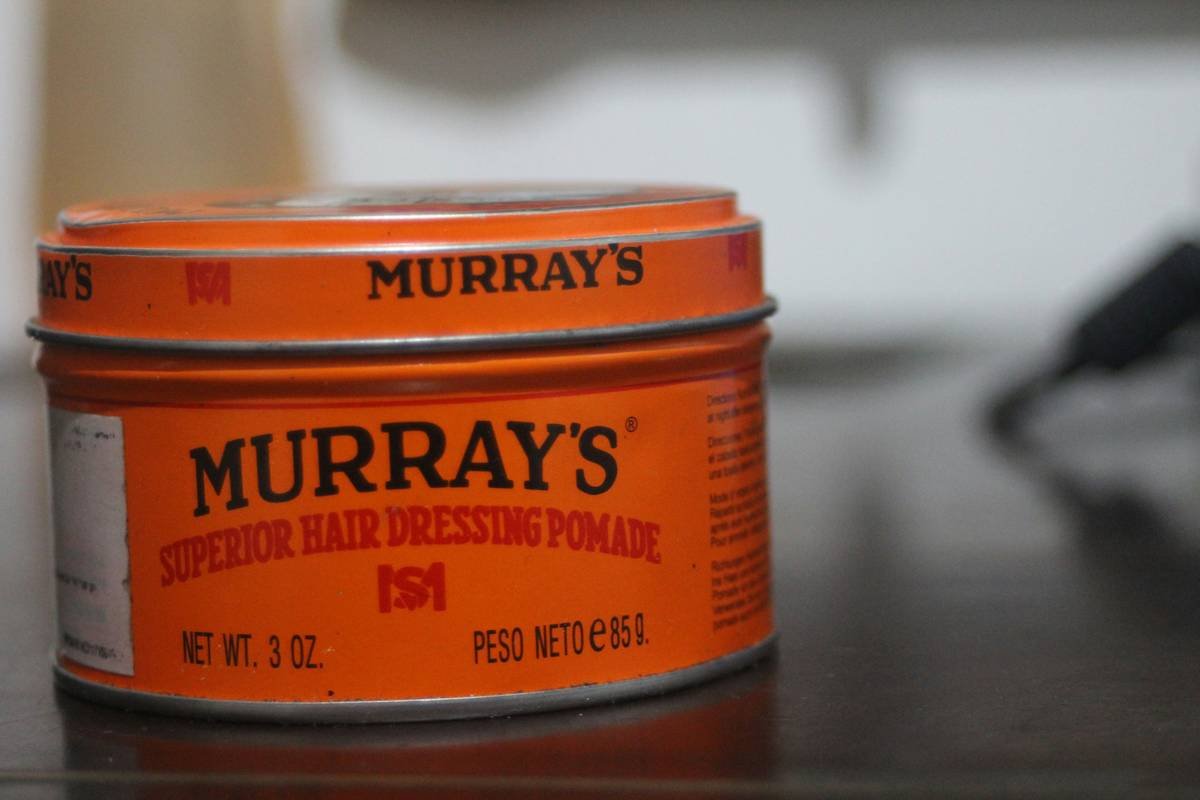
The industry secret: Pomades beat humidity by design—not accident
Most consumers think pomades are for slicked-back looks only. Wrong. Modern anti-frizz hair pomade formulas use humectant-balanced polymers—like PVP/VA copolymer—that form a breathable film around each strand. This film repels moisture from the air *without* suffocating hair. It’s architecture, not occlusion.
And here’s what brands won’t say: The best ones skip heavy waxes (like beeswax) entirely. Why? They harden. Flexible resins give movement while locking out frizz. One dermatologist I spoke with calls it “invisible scaffolding.” You don’t feel it—but your hair holds its shape through rain, wind, and subway heat.
Frequently Asked Questions
Is anti-frizz hair pomade suitable for fine hair?
Absolutely—if it’s water-based. Avoid petroleum-heavy formulas. A rice-grain amount evenly distributed won’t weigh hair down.
Can I use it daily without buildup?
Yes, provided you clarify once a week with a sulfate-free shampoo. Water-soluble pomades rinse clean with regular washing.
Does it work on curly or coily hair types?
Surprisingly well. Used sparingly on defined curls, it seals cuticles without disrupting pattern—ideal for taming halo frizz.
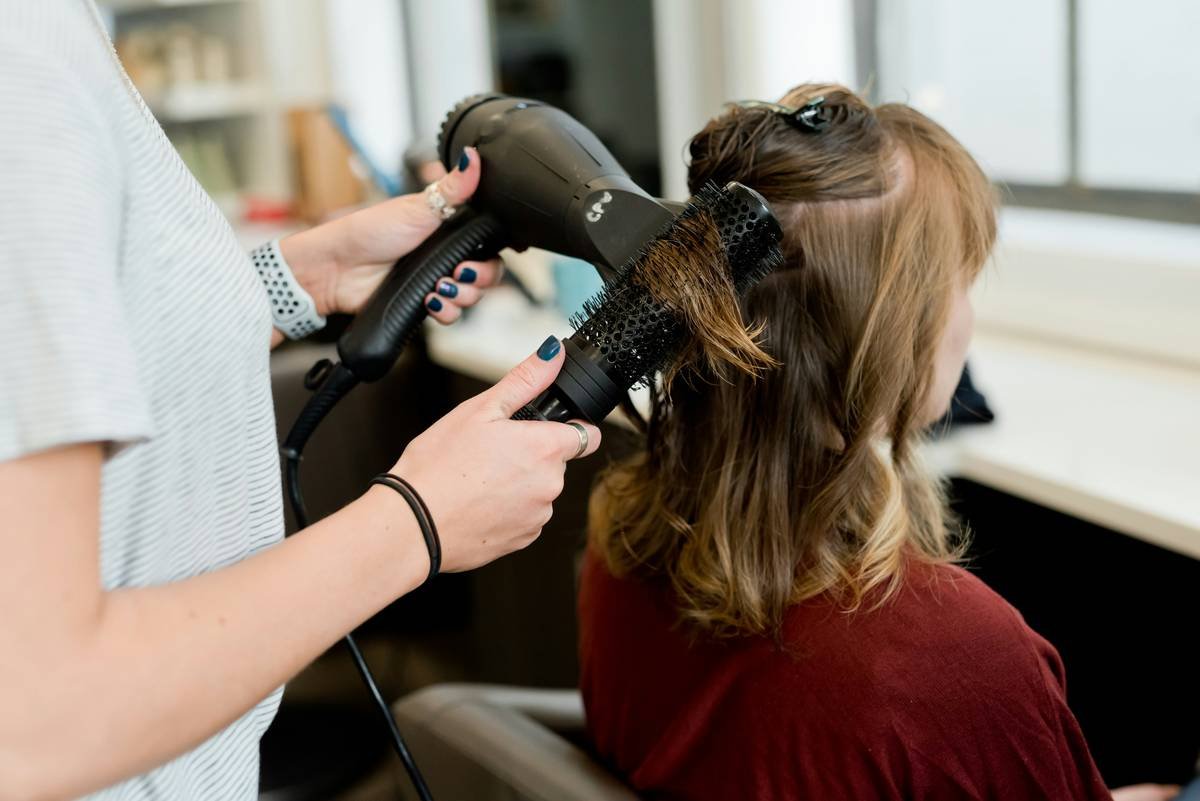
Stop fighting frizz with temporary fixes. Anti-frizz hair pomade delivers all-day control, humidity resistance, and zero crunch—if you choose the right formula and apply it smartly. Ready to silence the puff? Try a lightweight, water-based version today—and notice the difference by tomorrow.