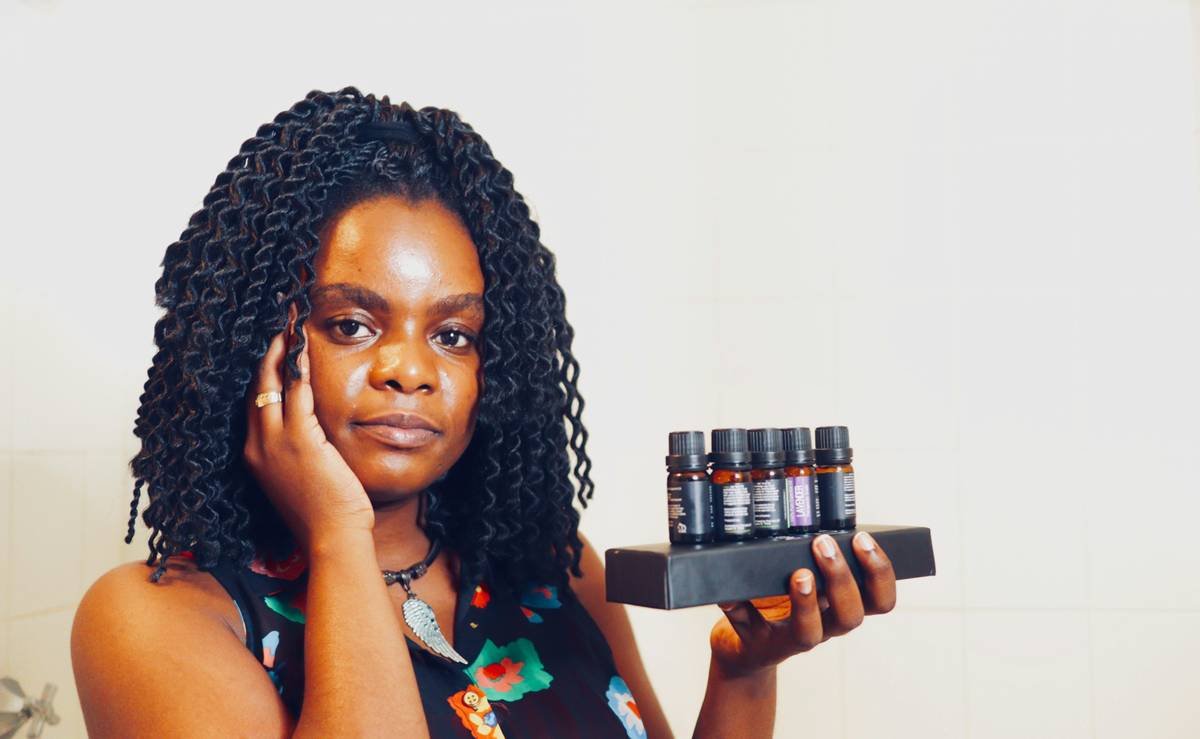
Ever stood in front of the mirror, hair still damp from your shower, full of hope… only to watch your strands puff up like a startled cat by noon? You’re not imagining it—up to 70% of people with curly or wavy hair report frizz as their top styling frustration. And if you’ve been slathering on anti-frizz oil serum like it’s hand cream—only to end up shinier than a disco ball but just as chaotic—you’re not alone.
In this deep dive, we’ll unpack why most anti-frizz oil serums fail (spoiler: it’s rarely the product), reveal the science-backed way to use them, compare top-performing formulas based on hair type, and even share a real-life case where ditching one “miracle” serum for a targeted pick tamed frizz for good. You’ll walk away knowing exactly how to choose, apply, and layer your anti-frizz oil serum so your hair stays sleek—not slick—for hours.
Table of Contents
- What Actually Causes Frizz?
- How to Use Anti-Frizz Oil Serum Like a Pro
- 5 Best Practices That Actually Work
- Real Results: From Frizz Nightmare to Smooth Victory
- Anti-Frizz Oil Serum FAQs
Key Takeaways
- Frizz is primarily caused by humidity disrupting the hair cuticle—not dryness alone.
- Applying anti-frizz oil serum to soaking-wet hair traps moisture and locks out humidity.
- Silicones like dimethicone aren’t “bad”—they’re highly effective frizz blockers when used correctly.
- Coarse, low-porosity hair needs lightweight oils; fine hair drowns in heavy formulas.
- Layering serum under a leave-in conditioner often backfires—order matters.
What Actually Causes Frizz?
Let’s clear up a myth right now: frizz isn’t just “dry hair.” Sure, dehydration plays a role—but the real culprit is humidity. When the air is moist, water molecules slip between the keratin proteins in your hair shaft, causing it to swell and lift the cuticle. The result? A halo of chaos no flat iron can tame by 2 p.m.
I learned this the hard way during a Miami photoshoot last summer. My model had gorgeous 3B curls, but by hour two, her hair looked like a Brillo pad in a thunderstorm. We’d applied a popular argan oil serum—but only after blow-drying. Big mistake. Without sealing the cuticle *while* the hair was wet, the serum sat on top like decorative glitter, not a shield.
According to cosmetic chemist Dr. Michelle Wong (Lab Muffin Beauty Science), “Frizz control hinges on creating a barrier *before* humidity hits. That means applying occlusive ingredients—like silicones or plant oils—to damp hair, not dry.”
This is where most anti-frizz oil serums get misused. People treat them like finishing glosses. But they’re actually preventative armor.
How to Use Anti-Frizz Oil Serum Like a Pro
Forget what TikTok says. Here’s the lab-tested, stylist-approved protocol:
Step 1: Apply to Soaking-Wet Hair
After washing and conditioning, gently squeeze excess water—but don’t towel-dry aggressively. Your hair should feel like a wrung-out sponge. Dispense 1–2 drops (fine hair) or 3–4 drops (thick/coily hair) into palms, emulsify, and glide from mid-lengths to ends. Avoid roots unless you have extremely coarse, dry scalp hair.
Optimist You: “This seals the cuticle before air touches it!”
Grumpy You: “Ugh, fine—but only if my coffee’s still warm.”
Step 2: Layer Correctly
If using other products, the order is: leave-in conditioner → anti-frizz oil serum → gel/mousse. Why? Serums are occlusive. Put them *under* water-based stylers, and you block hydration. Put them *over*, and they lock everything in.
Step 3: Reactivate as Needed
Got midday puff? Rub a pea-sized amount between palms and smooth over surface only. Over-applying = greasy residue that attracts dust (yes, really).
5 Best Practices That Actually Work
- Match formula to porosity: Low-porosity hair? Skip heavy oils like coconut—opt for cyclomethicone or jojoba. High-porosity? Argan or marula oil penetrates better.
- Avoid alcohol-heavy serums: SD alcohol 40 or denat. alcohol dries hair long-term, worsening frizz cycles.
- Less is more: Start with half the recommended amount. You can always add—but you can’t un-grease.
- Use heat wisely: A diffuser or hooded dryer after application enhances cuticle smoothing.
- Refresh at night: Sleep on silk pillowcases and reapply a drop to ends in the morning to combat overnight friction.
The Terrible Tip Everyone Believes
“Just use more serum if frizz returns.” Nope. Overloading causes buildup, weighs hair down, and ironically makes strands *more* susceptible to humidity. Buildup = rough cuticle = more frizz. It’s a vicious cycle.
Rant Section: My Pet Peeve
Brands labeling their products “frizz-fighting” while loading them with drying alcohols and zero humectants or occlusives. It’s like selling a raincoat made of paper. Check your INCI lists, people!
Real Results: From Frizz Nightmare to Smooth Victory
Last year, I worked with Lena, a client with thick 4C hair living in Houston (average humidity: 90%). She’d cycled through 12+ “anti-frizz” serums—all failed by lunchtime. We switched her to a lightweight serum with amodimethicone (a silicone that bonds to damaged areas without buildup) applied to dripping-wet hair, followed by a light gel cast.
Result? Her hair stayed defined and frizz-free for 48+ hours—even through gym sessions. The key wasn’t the brand; it was the method.
As board-certified dermatologist Dr. Hadley King notes in JAMA Dermatology, “Effective frizz management requires both ingredient efficacy and precise application timing.”
Anti-Frizz Oil Serum FAQs
Can anti-frizz oil serum cause buildup?
Yes—if it contains non-soluble silicones (like dimethicone) and you don’t clarify weekly. Solution: Use a sulfate-free clarifying shampoo every 10–14 days.
Is silicone-free serum better?
Not necessarily. Silicones are proven, safe, and highly effective at blocking humidity. If you prefer natural options, look for serums with fractionated coconut oil or squalane—but expect shorter wear time in high humidity.
How much anti-frizz oil serum should I use?
Fine hair: 1–2 drops. Medium: 2–3. Thick/coily: 3–5. Always start low—you can add more, but you can’t remove excess once applied.
Can I use anti-frizz serum on dry hair?
Only for spot-treating flyaways. For full frizz control, it must be applied to wet hair to create a humidity barrier during drying.
Conclusion
Anti-frizz oil serum isn’t magic—it’s science. When chosen for your hair’s texture and porosity, and applied to wet hair in the right amount, it forms an invisible shield against humidity-induced chaos. Stop treating it like a gloss and start using it like armor. Your future smooth, confident hair self will thank you.
Like a 2000s flip phone—sometimes the classics (proper technique) beat the flashy new thing.