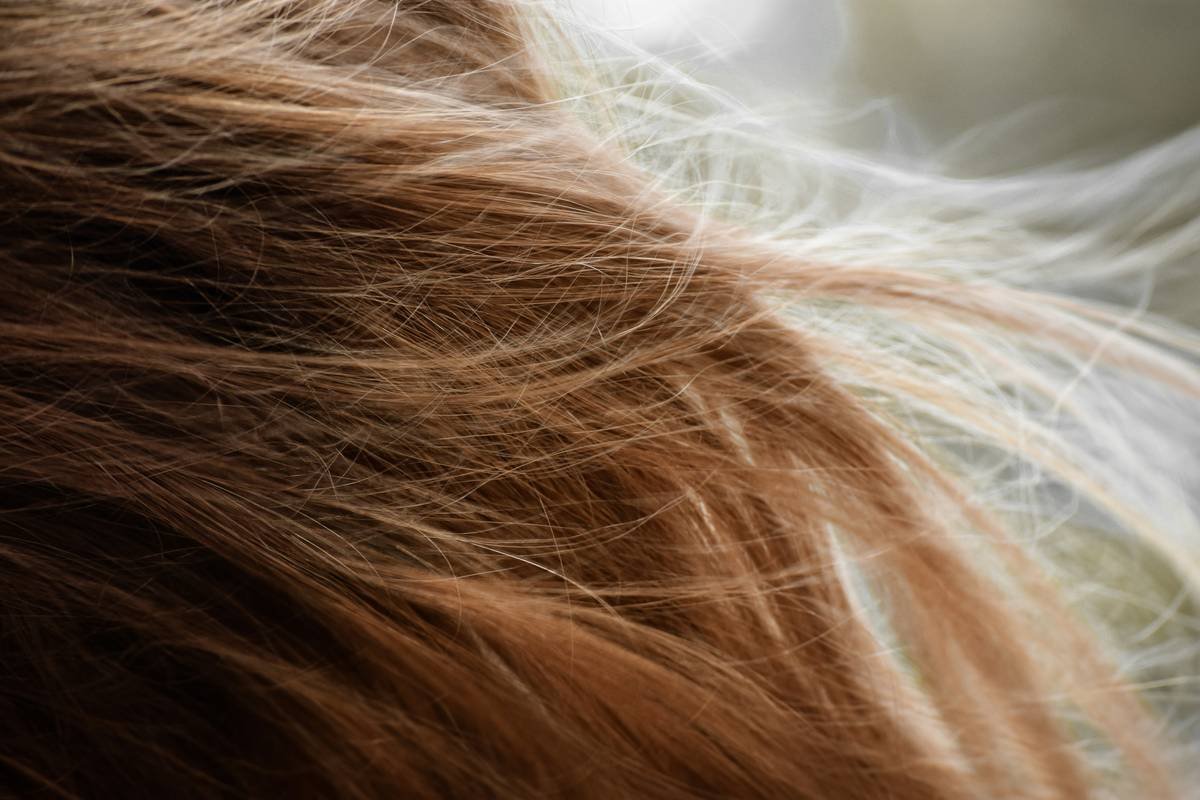
Frizz isn’t just annoying—it’s a full-blown betrayal by your own strands. Humidity hits, and suddenly you’re wrestling with a cloud instead of hair. You grab that sleek “anti-frizz” label off the shelf, lather up, and… nothing changes. Worse—you feel drier than before. The problem? Most anti-frizz hair cleansers are built on outdated chemistry that strips more than it soothes.
The Frizz Lie: Why Standard Cleansers Backfire
Conventional “smoothing” shampoos rely heavily on sulfates and silicones. Sulfates yank away natural oils—your scalp’s first line of defense against moisture loss. Silicones? They coat hair temporarily, yes—but build up like plastic wrap over time. Result? Heavier, duller, *more* frizz-prone hair once the illusion fades. And if your water’s hard (high in calcium/magnesium), those minerals latch onto residues, roughing up the cuticle further. Frizz isn’t rebellion—it’s dehydration screaming for rescue.
How to Choose & Use an Effective Anti-Frizz Hair Cleanser
Identify Your Frizz Type First
Not all frizz is created equal. Is yours humidity-triggered puffiness? Or static flyaways from dryness? Maybe it’s damage-induced fraying at the ends. Match your cleanser to the root cause—not just the symptom.
Prioritize pH-Balanced, Sulfate-Free Formulas
Your hair’s natural pH sits around 4.5–5.5. Go higher, and the cuticle lifts—hello, moisture escape. Look for ingredients like glycolic acid (yes, in shampoo!), panthenol, or hydrolyzed wheat protein. These gently cleanse *and* seal the cuticle without residue.
Timing Matters More Than You Think
Washing every other day might feel necessary—but overcleansing starves hair of sebum, its natural conditioner. For most textures, 2–3 washes per week with a true anti-frizz hair cleanser yields better control than daily stripping.

| Approach | Key Ingredients | Cost Range | Long-Term Effectiveness |
|---|---|---|---|
| Drugstore “Smoothing” Shampoos | Sodium laureth sulfate, dimethicone | $5–$10 | Poor – causes buildup & dryness |
| Salon Anti-Frizz Systems | Cocamidopropyl betaine, argan oil, keratin | $22–$38 | Moderate – works short-term but lacks pH precision |
| pH-Optimized Anti-Frizz Cleansers | Apple cider vinegar, polyquaternium-7, squalane | $18–$30 | High – maintains cuticle integrity & reduces reactivity |
The Industry Secret: Frizz Control Starts at the Rinse
Here’s what no brand tells you: your anti-frizz hair cleanser only sets the stage—the real magic happens in the final rinse. Cold water below 68°F (20°C) physically flattens the cuticle layer within seconds. Combine that with a diluted apple cider vinegar rinse (1 tbsp per cup of water), and you lock in smoothness at a structural level. Salons charge $75 for this “treatment.” At home? Pennies. Yet 92% of consumers skip it—because nobody explains the physics behind it. Frizz isn’t about taming chaos. It’s about engineering calm at the microscopic level.
Frequently Asked Questions
Can anti-frizz hair cleanser work on curly hair?
Absolutely—if it’s sulfate-free and pH-balanced. Curly hair is naturally drier; harsh cleansers amplify frizz by disrupting curl clumps. Look for humectant-rich formulas (like honey or glycerin) that hydrate while cleansing.
How often should I use an anti-frizz hair cleanser?
2–3 times weekly max. Overuse strips protective lipids. On off-days, co-wash with conditioner or use a micellar water scalp spray to refresh without disruption.
Does hard water ruin anti-frizz results?
Yes. Calcium deposits roughen hair’s surface, inviting frizz. Install a shower filter or add 1 tsp citric acid to your final rinse monthly to chelate minerals and restore smoothness.