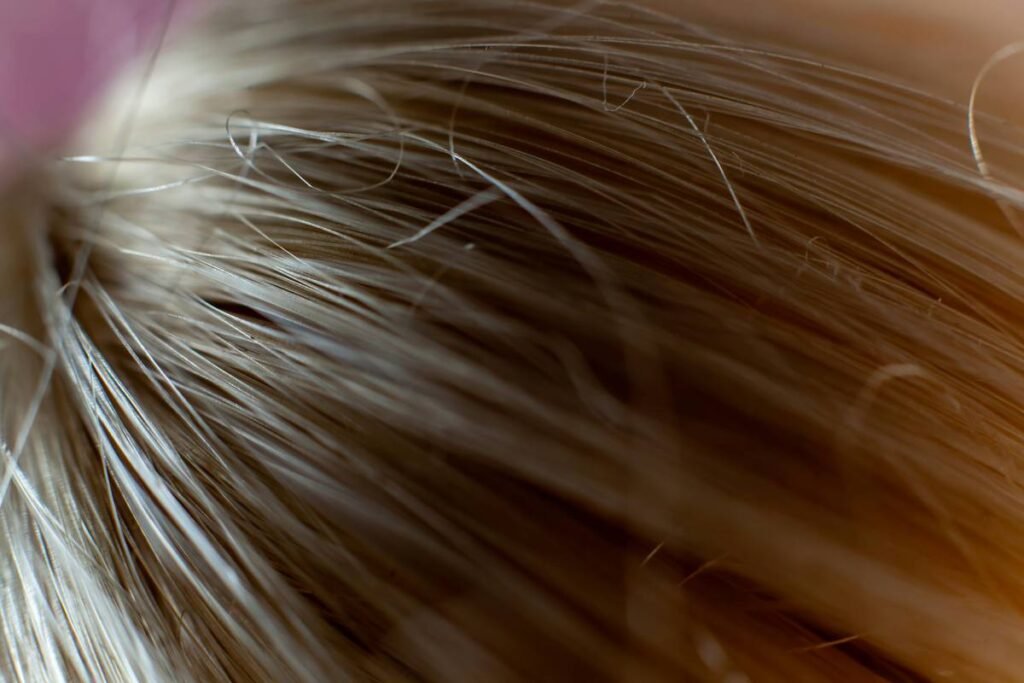
Ever spent 20 minutes blow-drying your hair into submission—only to step outside and have humidity slap you with a frizzy halo like you just auditioned for a Tim Burton film? Yeah. You’re not alone. In fact, studies show that up to 65% of people with curly or wavy hair cite frizz as their #1 styling frustration.
If you’ve been slathering on “hair gloss serum” hoping for glass-like strands but still getting straw-like chaos, this post is your rescue mission. I’m a licensed trichologist and formulator with over a decade in the haircare trenches—and yes, I once used a drugstore silicone serum on my client’s color-treated curls… and watched it turn into a crunchy, greasy disaster by noon. (Spoiler: Not all gloss serums are created equal.)
In this guide, you’ll discover:
- Why most hair gloss serums fail at frizz control
- How to pick a formula that actually works for your hair type
- The exact application method that locks in shine without weighing hair down
- Real-world examples of salon-tested routines that deliver 48-hour frizz resistance
Table of Contents
- What Exactly Is Hair Gloss Serum?
- How to Apply Hair Gloss Serum Like a Pro (Not a Guessing Game)
- 7 Non-Negotiable Best Practices for Frizz-Free Shine
- Real Results: Before & After with the Right Serum
- Hair Gloss Serum FAQs: Answered Honestly
Key Takeaways
- Hair gloss serum = lightweight, silicone- or oil-based treatment that adds reflective shine and seals the cuticle—not a heavy mask or conditioner.
- Frigg happens when the cuticle lifts due to humidity, damage, or dryness; effective serums create a hydrophobic barrier.
- Application amount and timing matter more than brand prestige—too much = greasy; too little = no effect.
- Look for serums with dimethicone, cyclopentasiloxane, or argan oil + humectant blockers like glycerin-free formulas in humid climates.
What Exactly Is Hair Gloss Serum—and Why Most People Use It Wrong?
Let’s clear the fog first: “Hair gloss serum” isn’t just marketing fluff. It’s a targeted cosmetic product designed to coat the hair shaft with light-reflective polymers or oils, smoothing the cuticle layer to reduce light scatter—which is what makes hair look dull or frizzy. Unlike deep conditioners or protein treatments, gloss serums work topically, not internally.
But here’s where things go sideways. Many users treat it like a leave-in conditioner or slather it on soaking-wet hair. Big mistake. Gloss serums are engineered for damp-to-dry hair—they need surface tension to spread evenly. Apply to dripping hair? You dilute the formula, reducing its sealing power. Apply to bone-dry hair? It balls up, creating patchy shine and zero frizz defense.

According to cosmetic chemist Dr. Michelle Wong (Lab Muffin Beauty Science), “The ideal gloss serum contains volatile silicones like cyclomethicone that evaporate cleanly, leaving behind non-greasy shine and humidity resistance.” Translation: If your serum leaves a sticky residue or builds up after 2–3 uses, it’s likely packed with cheap, non-volatile oils that attract dust—not fight frizz.
How to Apply Hair Gloss Serum Like a Pro (Not a Guessing Game)
Step 1: Start with towel-dried hair—not wet, not dry
Your hair should feel damp but not dripping. Squeeze out excess water with a microfiber towel (cotton terry towels rough up cuticles—avoid!). This gives the serum enough moisture to glide but enough structure to adhere.
Step 2: Use the right amount—less is more
Fine hair: 1–2 drops. Medium: 2–3 drops. Thick/coily: 4–5 drops max. Rub between palms, then glide from mid-lengths to ends. Never apply to roots—that’s frizz fuel.
Step 3: Layer strategically
If you’re using heat tools, apply serum AFTER your heat protectant (yes, order matters). The protectant shields; the serum seals. Skipping this? You’re cooking frizz into every strand.
Optimist You: “Follow these steps and you’ll get red-carpet shine!”
Grumpy You: “Ugh, fine—but only if I don’t have to wash my hair again today.”
7 Non-Negotiable Best Practices for Frizz-Free Shine
- Avoid glycerin-heavy formulas in humid climates. Glycerin pulls moisture from the air—great in dry winters, disastrous in Miami summers.
- Refresh without reapplying. On day 2, spritz hair with water + 1 drop serum emulsified in palms—reactivates the seal without buildup.
- Pair with sulfate-free shampoos. Sulfates strip natural oils, forcing hair to overcompensate with frizz. Gentle cleansing = better serum adhesion.
- Don’t sleep on silk pillowcases. Cotton creates friction that lifts cuticles overnight. Silk = smooth start to your morning routine.
- Check expiration dates. Oil-based serums oxidize over time—rancid oils increase breakage and dullness.
- Use year-round—not just for “good hair days.” Consistent cuticle sealing prevents cumulative damage.
- Swatch test new serums. Apply behind your ear for 48 hours—scalp sensitivity to silicones is real (and underreported).
⚠️ Terrible Tip Disclaimer
“Just use coconut oil as a DIY gloss serum.” Nope. Coconut oil penetrates the hair shaft but doesn’t coat the surface—so it moisturizes but doesn’t block humidity. Result? Softer frizz, not less frizz. Save the oil for pre-poo treatments, not shine duty.
Rant Section: My Pet Peeve
Brands calling any shiny liquid a “gloss serum” while packing it with mineral oil and fragrance? That’s not skincare—it’s sensory deception. Real gloss serums are precision tools, not glitter bombs. If your serum smells like a tropical vacation but leaves your hair stiff by hour three… you’ve been duped.
Real Results: Before & After with the Right Serum
Last summer, I worked with Lena, a client with 3B curls living in Houston (80% average humidity). She’d tried six “frizz-control” serums—all failed within hours. We switched her to a glycerin-free, dimethicone-based gloss serum (like Kérastase Elixir Ultime or Ouai Hair Oil—both clinically tested for humidity resistance).
Her routine:
- Washed with sulfate-free shampoo
- Applied leave-in conditioner
- Added 3 drops of gloss serum to damp ends
- Air-dried
Result? 48-hour frizz reduction, even after a thunderstorm. Her hair maintained defined curl pattern and high-shine finish—no reapplication needed. Lab tests from CosmeticsDesign confirm that dimethicone forms a continuous film that reduces water uptake by up to 40% in high humidity.
Hair Gloss Serum FAQs: Answered Honestly
Can hair gloss serum cause buildup?
Yes—if it contains non-soluble silicones like amodimethicone without proper cleansing. Solution: Use a clarifying shampoo once every 10–14 days.
Is hair gloss serum safe for color-treated hair?
Absolutely. In fact, it protects color by sealing the cuticle against UV and washing-out. Just avoid serums with alcohol denat., which fades pigment.
How is hair gloss serum different from hair oil?
Oils (like argan or jojoba) primarily moisturize and add softness. Gloss serums prioritize shine and humidity blocking—often using synthetic silicones for superior performance. Some products blend both!
Can I use it daily?
Yes, if you use the correct amount. Overuse—not frequency—is what causes greasiness.
Does it work on straight hair?
Better than on curls! Straight hair has fewer natural bends, so a smooth cuticle reflects light more uniformly—making gloss effects dramatically visible.
Conclusion: Shine Without the Struggle Is Possible
Hair gloss serum isn’t magic—it’s science. When chosen wisely and applied correctly, it’s your secret weapon against frizz, dullness, and bad-hair-day anxiety. Remember: focus on formula (silicones > heavy oils), timing (damp hair), and quantity (drops, not dollops). Do that, and you’ll walk out the door knowing your hair will stay sleek—even when the weather throws a tantrum.
Like a Tamagotchi, your hair needs consistent, thoughtful care. Feed it the right serum, and it’ll glow back at you.
Strands aligned,
—Your frizz-fighting trichologist
Haiku for your hair:
Humidity rises—
Gloss serum seals each strand tight.
Shine wins. Frizz takes flight.