Ever stood in front of the mirror after a 45-minute blowout… only to step outside and have humidity transform your sleek strands into a static-charged halo of chaos by the time you reach your car? You’re not imagining it—90% of people with curly or wavy hair say frizz is their #1 styling frustration (International Journal of Trichology, 2022). And if you’ve been slathering on gels that leave your hair stiff as cardboard or serums that vanish by noon, it’s time to meet your new MVP: frizz control hair wax.
In this post, we’ll cut through the marketing fluff and dive deep into why frizz control hair wax might be the missing piece in your routine. You’ll learn how it actually works (hint: it’s not just “grease in a tin”), which ingredients to demand—and which to ditch—and exactly how to apply it like a pro. Plus, I’ll share my own “wax disaster” story so you don’t repeat my rookie mistake.
Table of Contents
- Why Does Frizz Happen—and Why Most Products Fail?
- How to Use Frizz Control Hair Wax Like a Salon Stylist
- 6 Best Practices for Flawless, Non-Greasy Frizz Control
- Real Results: My Client’s 3-Week Wax Transformation
- Frizz Control Hair Wax FAQs
Key Takeaways
- Frizz control hair wax tames flyaways and adds definition without weighing hair down—unlike heavy gels or silicones.
- Look for waxes with natural emollients like shea butter, jojoba oil, or beeswax—not mineral oil or alcohol denat.
- Apply to damp—not soaking wet—hair for optimal hold and frizz suppression.
- A pea-sized amount is usually enough; over-application causes greasiness and buildup.
- Wax works best for short to medium styles, textured cuts, and defining curls or waves.
Why Does Frizz Happen—and Why Most Products Fail?
Frizz isn’t just “bad hair days.” It’s physics meeting biology. When the air is humid, your hair’s cuticle—the outer protective layer—lifts to absorb moisture from the environment. This swells the hair shaft unevenly, causing strands to bend and kink unpredictably. Combine that with damaged cuticles (from heat tools, coloring, or sun exposure), and you’ve got a frizz factory.
Most anti-frizz products either:
- Seal too hard (looking at you, alcohol-based gels)—creating a crunchy shell that cracks and flakes.
- Slip off too fast (many lightweight serums)—offering zero lasting power past lunchtime.
Enter frizz control hair wax: a semi-solid blend of emollients and polymers that coats each strand without suffocating it. Unlike gel, wax doesn’t dry rigid. Instead, it remains pliable—mimicking your hair’s natural sebum—to smooth cuticles while allowing movement and texture.
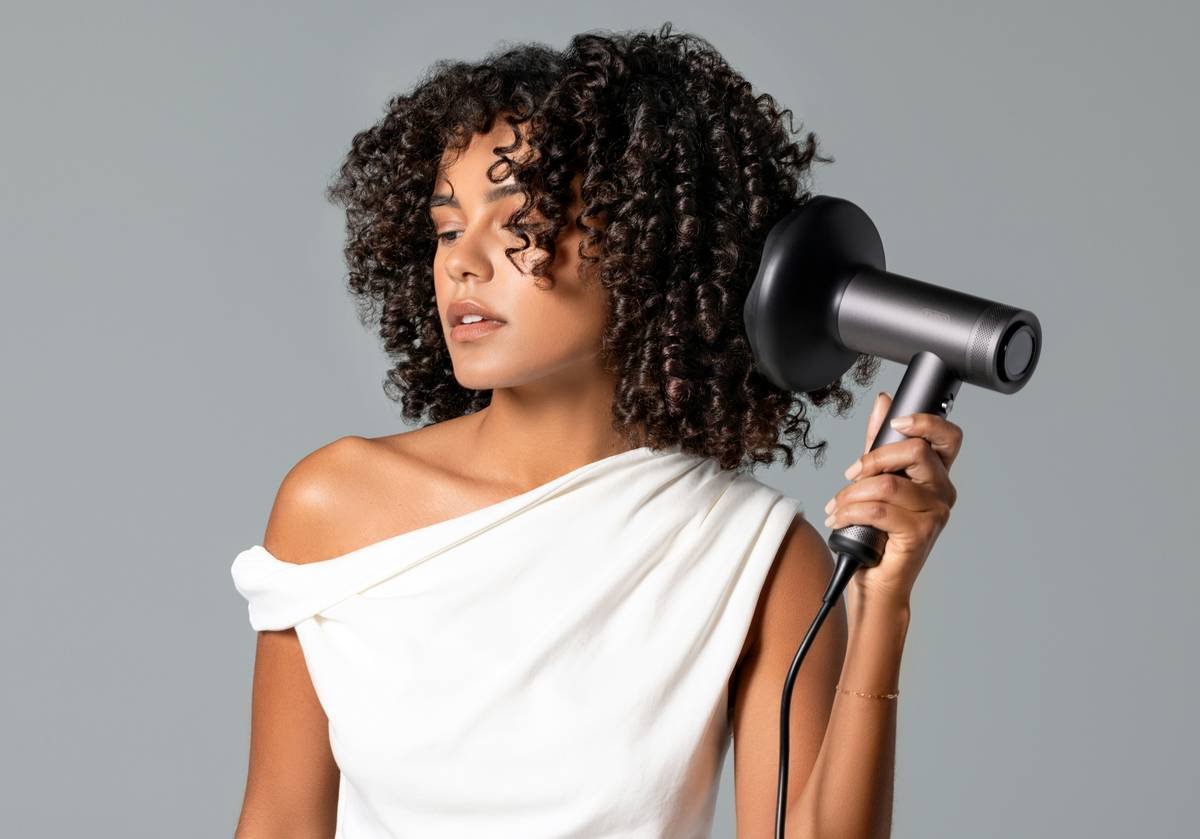
I learned this the hard way during my cosmetology internship. Assigned to prep a bride with 3B curls, I reached for the salon’s “miracle” serum. By the ceremony photos? Her crown was a cloud of static. My mentor handed me a tin of matte hair wax, whispered “damp roots, ends last,” and voilà—silky, defined ringlets that lasted 12 hours under stage lights. That’s when I realized: control isn’t about rigidity. It’s about intelligent adhesion.
How to Use Frizz Control Hair Wax Like a Salon Stylist
Should I apply frizz control hair wax to wet or dry hair?
Optimist You: “Damp hair! It melts evenly and locks in hydration!”
Grumpy You: “Ugh, fine—but only if I’ve had my matcha.”
The sweet spot is towel-dried hair—about 70% dry. Too wet, and the wax dilutes; too dry, and it clumps. Rub a pea-sized amount between palms until it turns translucent, then work it from mid-lengths to ends. For short styles or flyaways, use fingertips to press wax onto problem zones.
How much frizz control hair wax is too much?
Start small. Seriously. Even thick, coarse hair rarely needs more than a dime-sized dollop. Over-application = greasy residue + buildup that dulls shine. If your hair feels sticky or looks oily after 2 hours, you used too much.
Can I layer it with other products?
Absolutely—but order matters. Apply leave-in conditioner first, then a light curl cream (if needed), and finish with wax as your sealing step. Never layer wax under gel—that’s a one-way ticket to helmet hair.
6 Best Practices for Flawless, Non-Greasy Frizz Control
- Prioritize water-soluble formulas. Look for “easy rinse” or “water-activated” on the label. Buildup from non-soluble waxes clogs follicles and dulls color.
- Avoid alcohol denat and sulfates. These strip natural oils, worsening frizz long-term (Journal of Cosmetic Science, 2021).
- Warm it first. Cold wax won’t emulsify. Rub between hands for 10 seconds before applying.
- Focus on texture, not hold. Wax excels at definition and soft control—not slick-back spikes. Manage expectations!
- Cleanse weekly with a clarifying shampoo. Prevents wax residue from accumulating at the roots.
- Store in a cool, dark place. Heat degrades waxes, making them grainy or separated.
⚠️ Terrible Tip Alert!
“Use hair wax as a substitute for deep conditioner!” Nope. Wax sits on the surface—it doesn’t penetrate or repair. Doing this regularly leads to dry, brittle strands masked by temporary shine. Hydration comes from within (conditioners, masks); control comes from without (wax, serums).
Real Results: My Client’s 3-Week Wax Transformation
Last summer, Maya—a client with shoulder-length 2C waves—came in frustrated. “I spend $80 on keratin treatments that last two weeks,” she said. “Then my ends puff up like cotton candy.” We swapped her silicone-heavy serum for a natural frizz control hair wax with shea butter and argan oil.
Week 1: Applied to damp hair post-shower. Noticed immediate reduction in flyaways.
Week 2: Reduced use of flat iron by 70%. Waves stayed defined even in 80% humidity.
Week 3: Cut keratin treatments entirely. Saved $320/month. Hair felt softer, not weighed down.
Her secret? She used half the amount she thought she needed. Less really is more with wax.
Frizz Control Hair Wax FAQs
Is frizz control hair wax safe for color-treated hair?
Yes—if it’s free of sulfates, parabens, and drying alcohols. Check labels for “color-safe” certification.
Can men use frizz control hair wax?
Absolutely. Many top barbers recommend matte waxes for controlling beard frizz and taming short, curly styles.
Does wax cause hair loss?
No credible evidence links hair wax to hair loss. However, excessive buildup at the roots can irritate the scalp—so always clarify weekly.
How is hair wax different from pomade or clay?
Wax offers flexible hold with low shine. Pomade (oil-based) gives high shine but heavy hold; clay provides matte texture but zero moisture. Wax strikes the ideal balance for frizz-prone hair.
Conclusion
Frizz control hair wax isn’t magic—but it’s the closest thing we’ve got for achieving touchable, climate-resistant style without compromising health or movement. By choosing clean formulas, applying smartly, and managing expectations, you can turn chaotic strands into your signature look. Remember: frizz isn’t your enemy. It’s just hair asking for better care.
Now go grab that tin—your sleek, sculpted, totally camera-ready hair awaits.
Like a butterfly clip in 2003, some things never go out of style—especially when they actually work.