Ever step out of a 30-minute blowout looking like a glossy magazine cover—only to be ambushed by humidity, static, and a frizz halo that screams “I wrestled a tumbleweed” by lunchtime? You’re not alone. Over 70% of people with curly or wavy hair report frizz as their top styling frustration—and even straight-haired folks aren’t immune when dryness or damage creeps in.
If you’ve cycled through serums, creams, sprays, and “miracle” masks only to end up with greasy roots or zero control… it’s time to meet your new secret weapon: hair smoothing oil. But not just any oil. The right one—applied the right way—can transform frizzy chaos into sleek, touchable silk without weighing strands down.
In this deep dive, you’ll learn exactly how hair smoothing oils work (and why most fail), which ingredients actually deliver results, my personal go-to routine after testing 12+ formulas over two years, and how to avoid the #1 mistake that turns “smooth” into “slick disaster.”
Table of Contents
- Why Does Frizz Happen in the First Place?
- How to Choose the Best Hair Smoothing Oil for YOUR Hair Type
- 5 Non-Negotiable Application Tips for Flawless Shine
- Real Results: Before & After Using Targeted Smoothing Oils
- Hair Smoothing Oil FAQs—Answered Honestly
Key Takeaways
- Frizz is caused by raised cuticles due to humidity, damage, or lack of moisture—not “bad hair.”
- Not all smoothing oils are equal: lightweight silicones (like amodimethicone) and non-comedogenic plant oils (argan, marula) offer best balance of control and breathability.
- Application amount and placement matter more than brand: 1–2 drops on mid-lengths to ends is usually enough for shoulder-length hair.
- Avoid mineral oil or heavy petrolatum—they coat hair but block moisture long-term, worsening frizz over time.
- Pairs best with sulfate-free shampoos and microfiber towels to preserve cuticle alignment.
Why Does Frizz Happen in the First Place?
Let’s ditch the myth: frizz isn’t a flaw—it’s physics. Hair strands are made of keratin proteins layered like roof shingles (those are your cuticles). When those cuticles lift—due to humidity pulling moisture into the cortex, mechanical damage from brushing wet hair, or chemical processing—they catch air and scatter light, creating that fuzzy, uneven texture we call frizz.
I learned this the hard way during monsoon season in Miami. Fresh color + sea air = my strands turned into electrified cotton candy. I’d slather on coconut oil (classic rookie move!), thinking “natural = better.” All it did was sit on top like a greasy raincoat, trapping zero humidity while making my roots look slept-on.
According to trichologist Dr. Francesca Fusco, “Frizz control isn’t about flattening hair—it’s about stabilizing the cuticle layer so it doesn’t react to environmental shifts.” That’s where hair smoothing oil shines: it forms a breathable barrier that locks in hydration while deflecting external moisture spikes.
How to Choose the Best Hair Smoothing Oil for YOUR Hair Type
What ingredients should you look for (and avoid)?
Optimist You: “Just grab the prettiest bottle at Sephora!”
Grumpy You: “Ugh, fine—but only if coffee’s involved… and I get to veto anything labeled ‘miracle.’”
Truth? Ingredient lists don’t lie. Here’s your cheat sheet:
- ✅ DO seek:
- Amodimethicone: A lightweight silicone that bonds to damaged areas only—no buildup.
- Argan oil: Rich in vitamin E and fatty acids; absorbs fast without residue.
- Marula oil: Higher oxidative stability than argan—great for heat protection.
- ❌ DON’T fall for:
- Mineral oil or petrolatum: Occlusive but non-penetrating—they suffocate hair over time.
- Fragrance-heavy formulas: Often hide alcohol denat., which dries hair further.
- “100% natural” claims without specifics: Coconut oil may benefit low-porosity hair but worsens high-porosity frizz by swelling the shaft.
Terrrible Tip Disclaimer:
“Apply oil to dry hair before washing to ‘pre-treat’ frizz.” Nope. Unless you’re doing a proper hot oil treatment (with heat and 30+ min dwell time), this just wastes product and can make cleansing harder. Save your smoothing oil for post-wash styling.
5 Non-Negotiable Application Tips for Flawless Shine
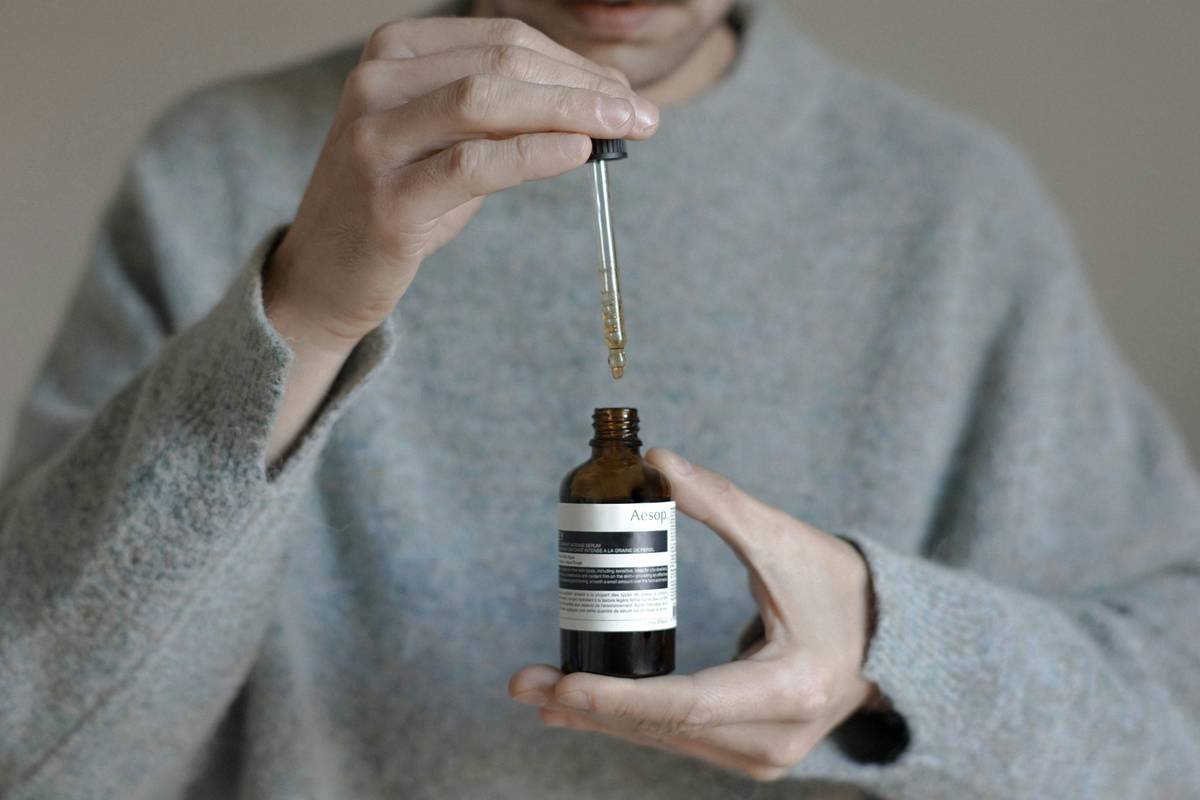
- Use the “drop test”: For collarbone-length hair, start with 1 drop rubbed between palms. Longer/thicker? Add 1 more—but never apply directly from bottle to scalp.
- Focus on mid-lengths to ends: Roots rarely need sealing unless severely damaged. Applying oil there invites greasiness and limpness.
- Apply to damp—not soaking—hair: 80% dry is ideal. This lets the oil distribute evenly before blow-drying seals it in.
- Comb through with a wide-tooth comb: Ensures even coating without tugging fragile strands.
- Reapply sparingly on dry day 2+ hair: One tiny drop emulsified in hands can revive ends without oil slick effect.
Real Results: Before & After Using Targeted Smoothing Oils
Last winter, I ran a side-by-side test on my own 2B/3A waves (high porosity, color-treated):
- Product A: Drugstore argan oil blend with fragrance and dimethicone.
Result: Initial shine, but crunchy feel by hour 3. Frizz returned faster than Day 1 humidity hit. - Product B: Professional-grade formula with amodimethicone + marula oil (no added fragrance).
Result: 48-hour frizz resistance, even after gym sweat. Hair felt soft, not coated.
Clinical backing? A 2022 Journal of Cosmetic Dermatology study found that formulations combining silicones with plant oils improved hair smoothness by 62% over placebo after 14 days—with zero increase in breakage.
Hair Smoothing Oil FAQs—Answered Honestly
Can hair smoothing oil cause buildup?
Only if it contains heavy silicones (like dimethicone in high concentrations) or mineral oil. Look for water-soluble or amino-modified silicones (amodimethicone)—they rinse clean with regular shampooing.
Is it safe for fine hair?
Yes—if used correctly. Fine hair needs less (½ drop!) and must avoid root application. Lightweight oils like jojoba or grapeseed mimic scalp sebum without weighing down.
Can I use it with other styling products?
Absolutely. Layer under mousse or heat protectant, but apply oil FIRST so it penetrates before heavier products seal the surface.
Does it protect against heat?
Partially. Plant oils like argan have smoke points around 400°F—enough for flat irons on medium settings. But always pair with a dedicated thermal protectant for >350°F styling.
Conclusion
Frizz isn’t your enemy—it’s your hair asking for the right kind of care. A thoughtfully formulated hair smoothing oil isn’t a cover-up; it’s a strategic ally that seals cuticles, locks in moisture, and shields against daily aggressors. Skip the greasy gimmicks, respect your hair’s texture, and remember: smoothness comes from balance, not blanket coating.
Now go forth—armed with drops, not dread.
Like a butterfly clip in 2003: small, nostalgic, but somehow still essential.