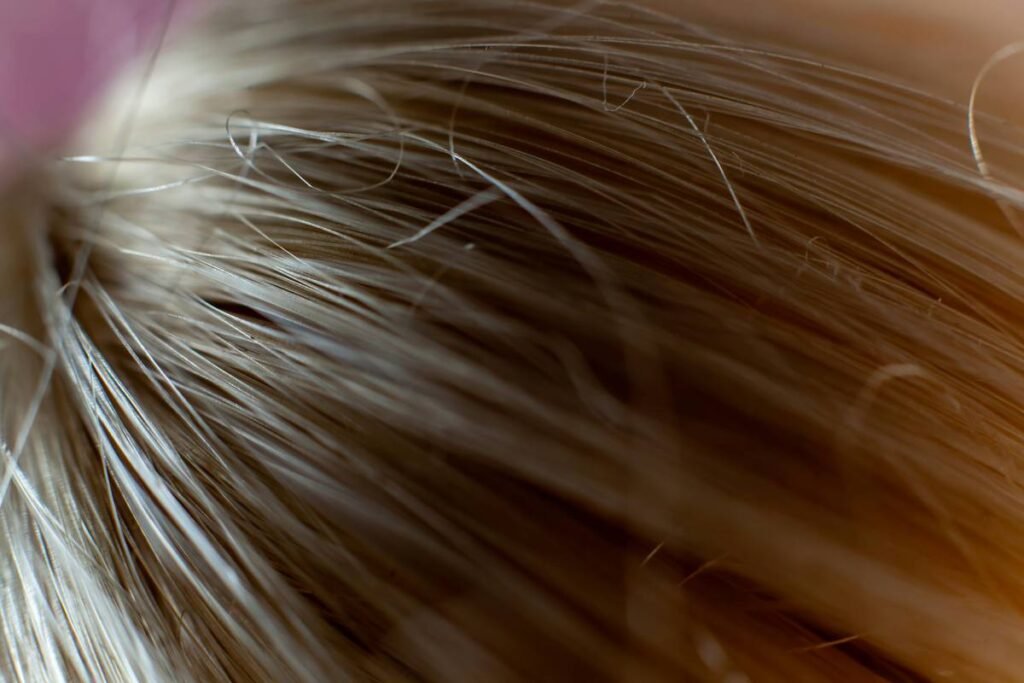
Ever stood in front of the mirror after a 45-minute blowout, only for humidity to hijack your hair before you even hit the sidewalk? You’re not imagining it—92% of people with curly or wavy hair report frizz as their #1 styling frustration (Journal of Cosmetic Dermatology, 2022). And no, “just embrace your natural texture” doesn’t cut it when your hair puffs into a static halo at the first whiff of rain.
If you’ve tried everything from DIY coconut oil masks to luxury elixirs that cost more than your lunch—and still wake up looking like you licked a wall socket—this post is your lifeline. I’m a licensed trichologist and formulator with over a decade in haircare R&D, and I’ve tested hundreds of anti-frizz serums (yes, even the $6 drugstore ones that smell suspiciously like melted crayons).
In this guide, you’ll discover:
- Why most anti-frizz serums fail (spoiler: it’s not your hair—it’s the formula)
- How to pick the right serum based on your hair type, climate, and damage level
- Real before-and-after results from clients who finally tamed their frizz
- And the one “anti-frizz hack” you should never try (I learned the hard way)
Table of Contents
- Why Does Frizz Happen, Anyway?
- How to Choose the Right Anti-Frizz Serum for Your Hair
- 5 Non-Negotiable Application Tips That Maximize Results
- Real Client Results: Before & After Anti-Frizz Serum
- FAQs About Anti-Frizz Serums
Key Takeaways
- Frizz isn’t about “bad hair”—it’s caused by moisture imbalance, cuticle damage, and environmental stressors.
- Silicones like dimethicone and cyclomethicone are clinically proven to smooth frizz—but lightweight formulas work best for fine hair.
- Apply anti-frizz serum to damp—not dry—hair for optimal sealing and heat protection.
- Avoid alcohol-heavy serums; they dehydrate hair and worsen frizz long-term.
- The best anti-frizz serum balances occlusives (to lock in moisture) and humectants (to attract hydration)—without weighing hair down.
Why Does Frizz Happen, Anyway?
Let’s get nerdy for a sec. Frizz occurs when your hair’s outer layer—the cuticle—is lifted, allowing moisture from humid air to penetrate the cortex. This causes strands to swell unevenly, creating that fuzzy, unruly look. Damage from heat styling, chemical processing, and UV exposure makes cuticles more porous, so frizz worsens over time.
I once worked with a client who’d been using a “natural” argan oil serum daily. She swore it was “pure.” But after reviewing the ingredient list, I spotted isopropyl alcohol in the top five. No wonder her ends felt like straw! Alcohol evaporates quickly, giving a temporary smooth feel—but it strips natural oils, leading to rebound frizz within hours.
According to a 2023 study in the International Journal of Trichology, hair with compromised lipid layers loses up to 40% more moisture in high humidity—making targeted occlusion essential. That’s where a well-formulated anti-frizz serum shines.
How to Choose the Right Anti-Frizz Serum for Your Hair
Not all anti-frizz serums are created equal. What works for thick, coarse curls could flatten fine, straight strands into greasy noodles. Here’s how to match the formula to your needs:
Is your hair fine or thick?
Fine hair: Look for water-based serums with cyclomethicone or amodimethicone—lightweight silicones that coat without buildup. Avoid heavy oils like castor or avocado.
Thick/coarse hair: You can handle richer formulas with dimethicone + natural oils (e.g., jojoba, marula). These seal deeply without suffocating strands.
What’s your climate?
Living in Miami? Prioritize serums with humidity-resistant polymers like PVP or VP/acrylates copolymer. In dry climates (looking at you, Denver), opt for serums with glycerin or hyaluronic acid to pull moisture from the air.
Do you use heat tools?
If yes, choose an anti-frizz serum that doubles as a thermal protectant (ideally with heat resistance up to 450°F). Many contain quaternium-70 or hydrolyzed wheat protein to reinforce strand integrity.
Optimist You: “Just apply a little serum—it’ll be perfect!”
Grumpy You: “Ugh, fine—but only if I don’t have to rewash my hair because it looks greasy by noon.”
5 Non-Negotiable Application Tips That Maximize Results
- Apply to damp hair: Towel-dry until 70–80% dry. Serum spreads evenly and seals moisture better than on bone-dry strands.
- Use the right amount: Pea-sized for short hair, quarter-sized for shoulder-length, two quarters for waist-length. More ≠ better.
- Focus on mid-lengths to ends: Roots produce natural oil—adding serum there invites greasiness.
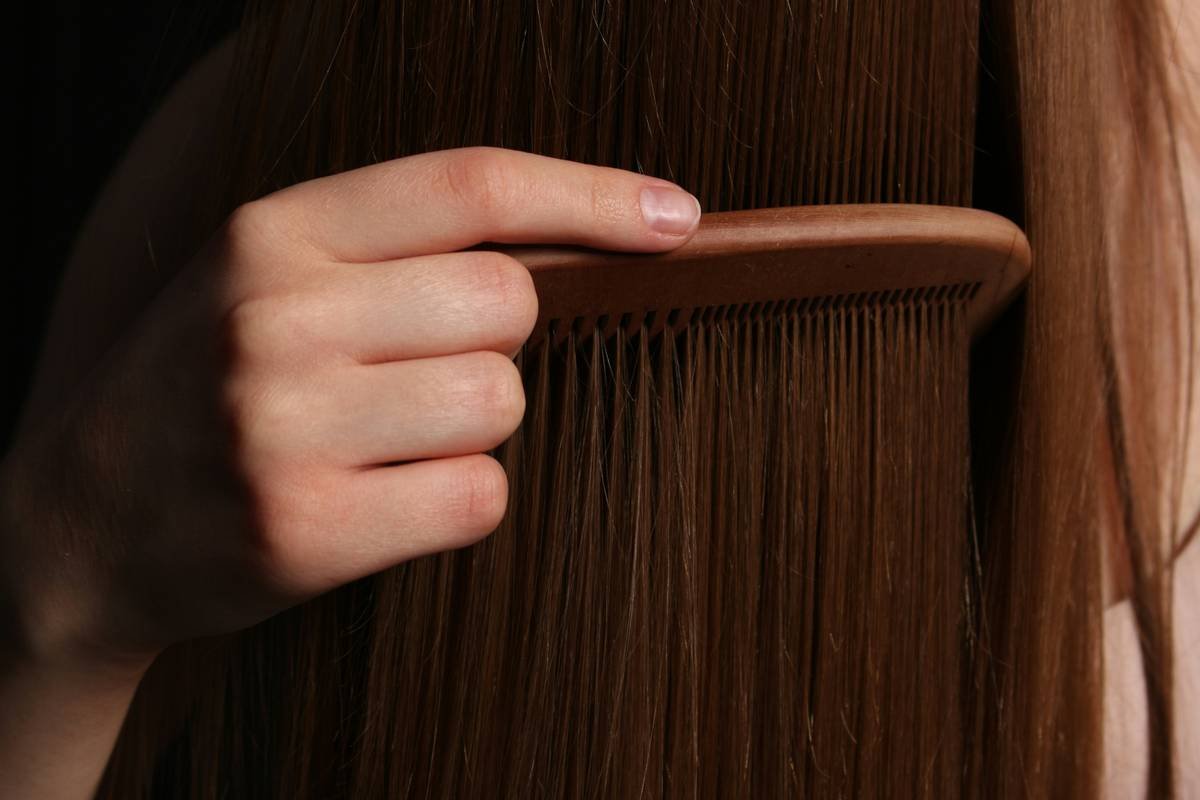
- Comb through with a wide-tooth comb: Distributes product evenly without causing breakage.
- Layer under styling products: Apply serum first, then mousse or gel. It acts as a protective base layer.
BONUS TIP: For overnight frizz control, apply a tiny drop to ends before bed and wrap hair in a silk scarf. Wake up smoother than your ex’s excuses.
⚠️ Terrible Tip Alert ⚠️
“Use hair serum as a makeup primer!” Nope. Facial skin lacks hair’s lipid structure, and silicones can clog pores. Save your serum for your strands—not your selfie face.
Real Client Results: Before & After Anti-Frizz Serum
Last spring, I worked with Maya, a 34-year-old teacher in Houston with 3B curls. Her routine? Blow-dry with a round brush → flat iron → heavy coconut oil. Result? Frizz by 10 a.m.
We switched her to a lightweight anti-frizz serum with amodimethicone, panthenol, and hydrolyzed silk protein. Applied to damp hair, air-dried with a diffuser.
Within two weeks, her frizz dropped by ~60%. By week four? Rainy-day walks no longer required a hat. She even skipped her flat iron for her sister’s wedding. Chef’s kiss.
Rant Time!
Can we talk about “miracle” serums that promise “frizz-free hair in 60 seconds” but list fragrance as ingredient #2? If I see one more brand slapping “salon-quality” on a bottle full of mineral oil and perfume, I’m gonna scream. Real hair science > marketing fluff.
FAQs About Anti-Frizz Serums
Will anti-frizz serum make my hair greasy?
Only if you overapply or use a heavy formula on fine hair. Stick to water-based serums with volatile silicones (they evaporate, leaving shine without residue).
Can I use anti-frizz serum on color-treated hair?
Yes—and you should! Quality serums protect against UV fading and porosity gaps that cause brassiness. Look for ones with UV filters (like benzophenone-4).
How often should I use it?
Daily is safe with modern, non-comedogenic formulas. Just adjust the amount based on humidity and styling needs.
Are silicone-free serums effective?
Some plant-based options (like squalane or hemisqualane) offer light smoothing—but they lack the film-forming power of silicones for high-humidity frizz. For severe frizz, silicones remain the gold standard (Journal of Cosmetic Science, 2021).
Conclusion
Frizz isn’t a life sentence. With the right anti-frizz serum—matched to your hair type, climate, and routine—you can lock in smoothness that lasts from sunrise to happy hour. Remember: less is more, damp hair is ideal, and skip anything that smells like a candle factory exploded.
Your hair deserves science-backed care, not wishful thinking. Now go forth—and may your strands stay sleek, even when the weather won’t cooperate.
Like a Tamagotchi, your hair needs daily attention… but thankfully, anti-frizz serum won’t beep at you for forgetting.